Explore our top-tier integrated manufacturing equipment, power distribution systems, and specialized infrastructure components.
Shenzhen Ranko Power Co., Ltd., established in 2000, is a leading innovator in intelligent power distribution solutions, dedicated to providing customers worldwide with safe, smart, and stylish electrical systems. With a strong commitment to technological innovation and product excellence, Ranko Power continues to redefine modern power accessibility and convenience for residential, commercial, and office environments.
Renowned for its professionalism and forward-thinking approach, Ranko Power focuses on integrating advanced electrical technologies with the evolving needs of modern lifestyles. Guided by the philosophy of "Safe, Flexible, and Efficient Power Delivery," the company has developed innovative power track systems that transform the traditional way electricity is accessed and utilized.
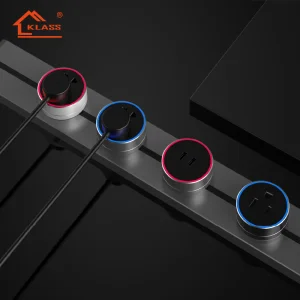
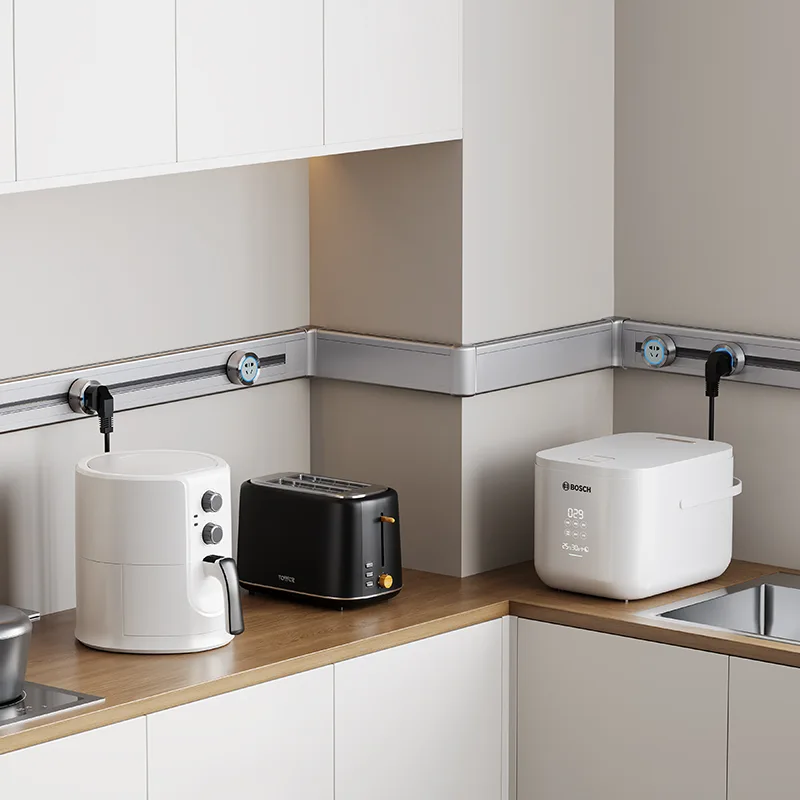
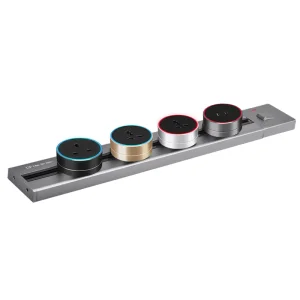
Designed with both aesthetics and functionality in mind, Ranko Power's solutions combine sleek, minimalist styling with advanced safety protection features. Unlike conventional fixed socket installations, the power track system offers flexible power access, allowing users to add, remove, or reposition power adapters safely and conveniently according to their changing requirements.
Through continuous investment in research and development, Ranko Power integrates intelligent control technologies, energy-efficient designs, and stringent quality standards to deliver reliable and future-ready electrical solutions.
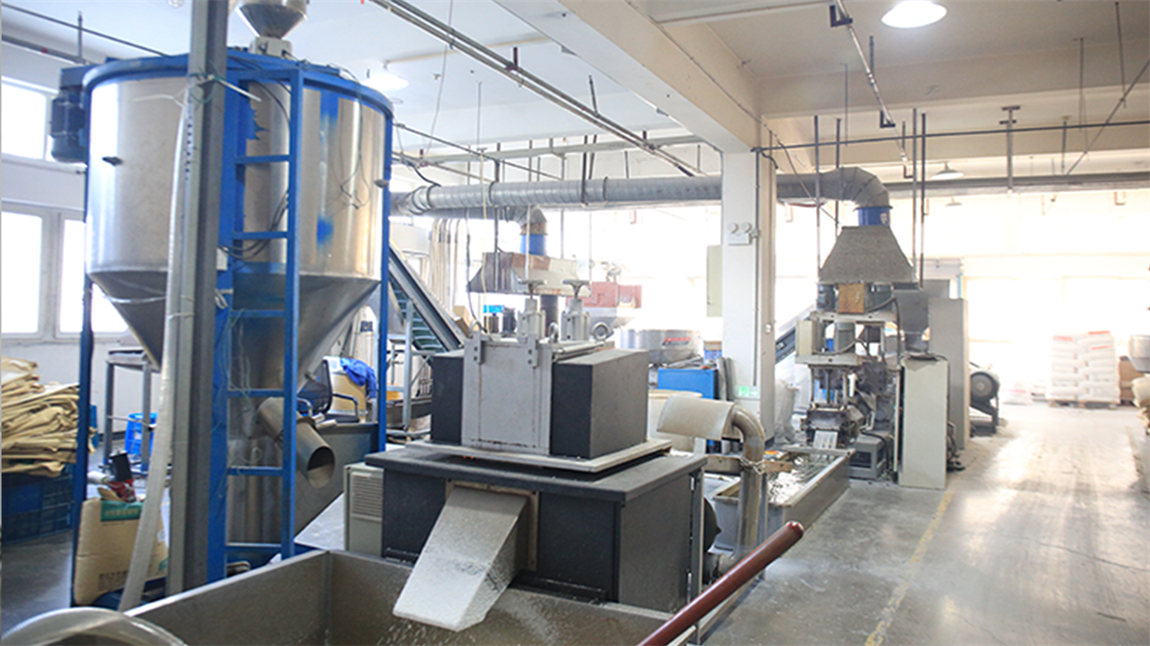
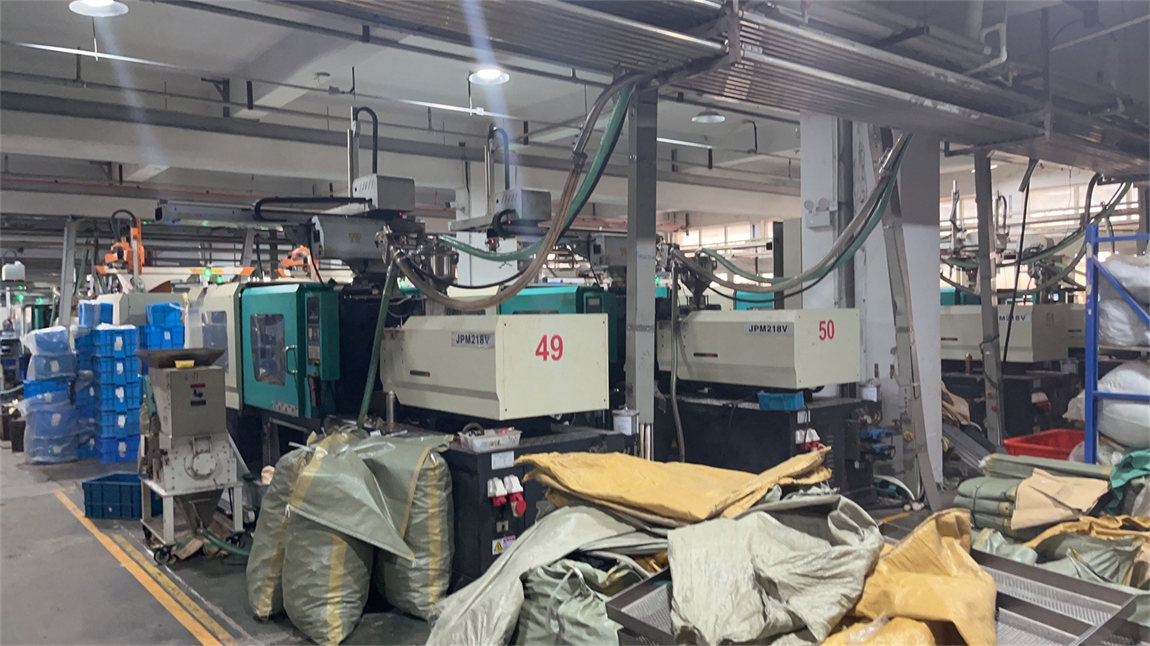
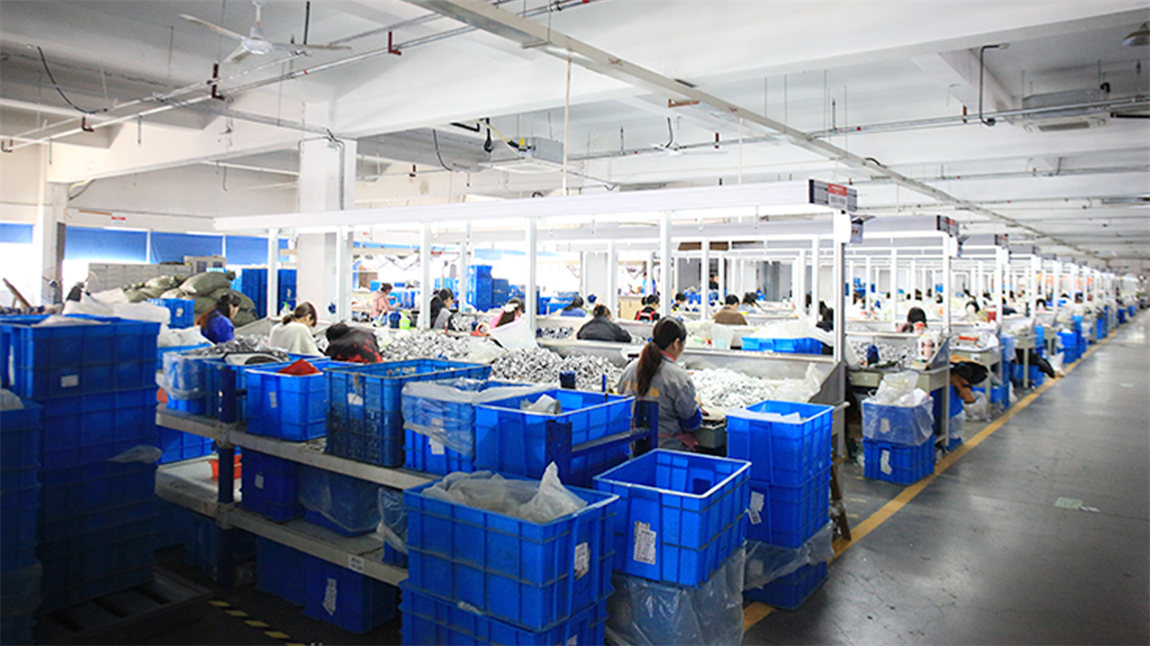
From raw materials selection to dynamic safety inspection, explore our vertical integration and precision engineering infrastructure.
Modern electrical infrastructure is undergoing a paradigms shift. Traditional fixed wiring systems, once standard in commercial office layouts and industrial floors, struggle to keep pace with dynamic workspaces, automation corridors, and dense computational hubs. Compact Integrated Power Supply Systems (CIPSS) have emerged as the foundational element of modern smart architecture, providing continuous current, modular customization, and thermal efficiency.
Globally, the integration of smart offices, complex high-speed railway networks, and advanced retail configurations requires power distribution points that are modular, space-saving, and highly safe. Fixed terminal blocks are increasingly replaced by sliding busways, compact power track systems, and specialized extrusion profiles. In North America and European regions, stringent workplace energy codes (such as NEC and IEC frameworks) demand active overload monitoring, clean ground mechanisms, and seamless architectural integration.
"As density demands rise in data, retail, and transit networks, the capability to tap into power routes at any exact modular node without halting operational cycles differentiates global market leaders from legacy operations."
By transitioning from localized, labor-intensive wiring practices to factory-engineered integrated power systems, project managers mitigate installation errors by over 70%, concurrently maximizing real estate utility and minimizing maintenance downtime. This is particularly crucial in applications requiring high mechanical reliability, such as crane systems, rail traffic trackways, and automated manufacturing platforms.
Understanding user intent in local environments requires diving into specific real-world applications where compact integrated power systems excel:
Consider the kitchen and furniture sector. Traditional wall sockets dictate exactly where appliances sit, limiting counter workspace optimization. Implementing Recessed Slide Mount Power Tracks with integrated USB adapters allows tools, kitchen appliances, and chargers to coexist seamlessly, moving dynamically along the tracks as tasks dictate.
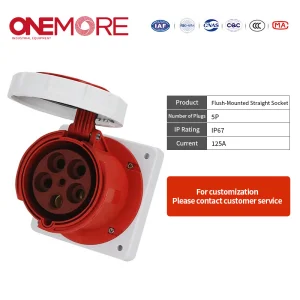
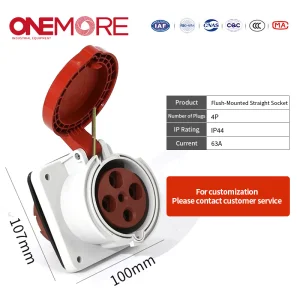
In heavy industrial sectors (like mining, crane assembly, and logistics hubs), robust integration translates to resilience. Standardizing components on universal standards (like CEE/IEC 60309) ensures that high-power connections remain dust-proof, moisture-proof, and completely safe during high-amperage procedures.
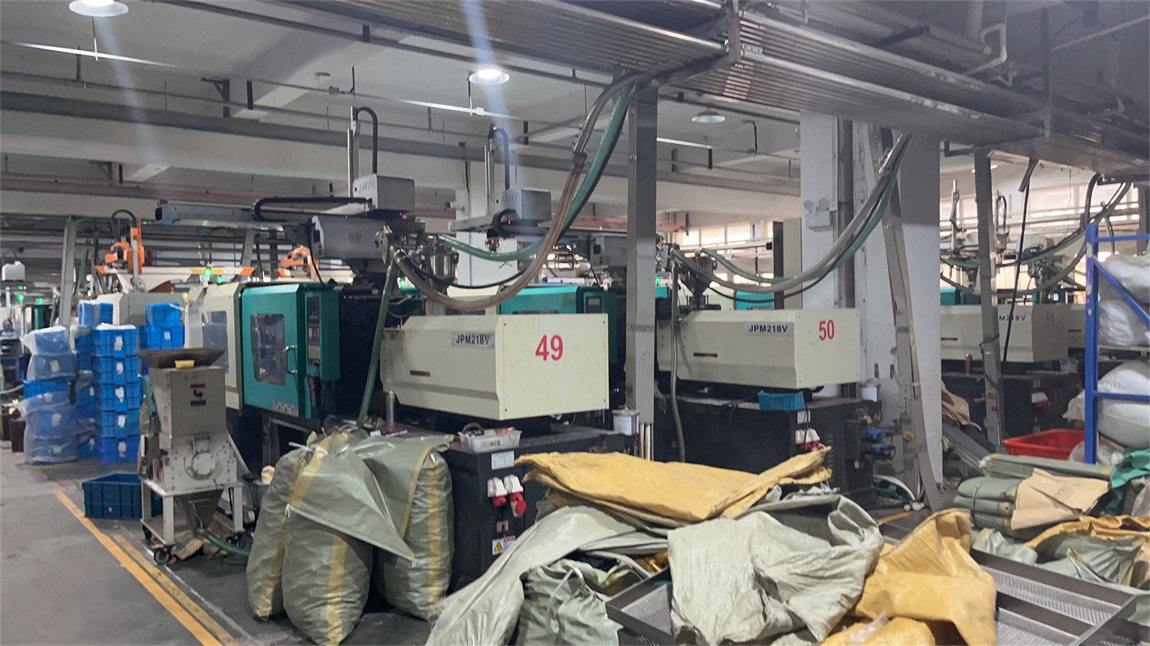
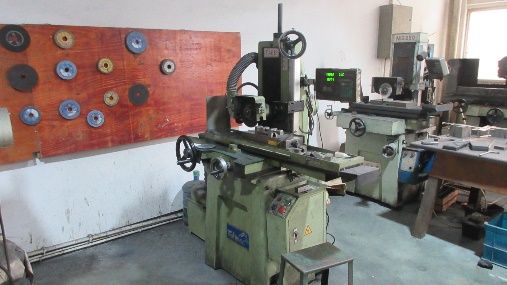
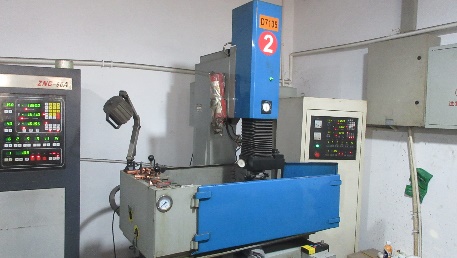
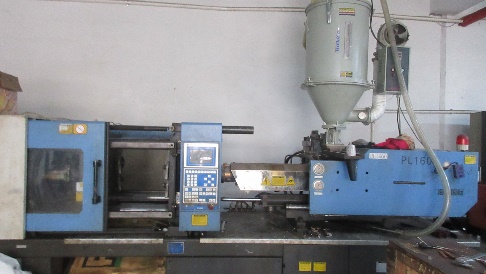
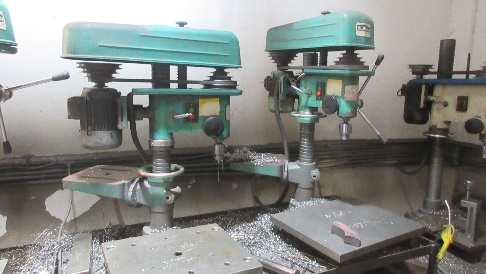
Why do leading international developers source compact power supplies and structural track machinery from Chinese industrial clusters? The key lies in supply chain vertical integration. Shenzhen Ranko Power Co., Ltd. embodies this operational advantage. By centering raw material procurement, high-precision tooling, plastic injection molding, CNC lathe machining, milling, and electronic assembly within a unified geographic cluster, the entire manufacturing cycle is optimized.
This localized density dramatically reduces "lead-time drag." While overseas competitors rely on fragmented suppliers across multiple jurisdictions, a vertically integrated Chinese factory conducts rapid prototyping, tool adjustments, structural tests, and certifications under one system. This ensures rapid adaptation to customer modifications, with minimal overhead.
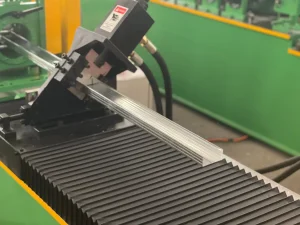
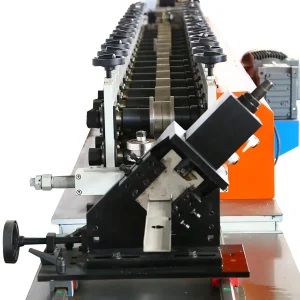
Furthermore, Chinese suppliers deploy highly automated, high-yield machinery. CNC lathes, computerized millers, and dedicated roll forming lines achieve spatial tolerances within tenths of a millimeter. When extruding high-grade aluminum tracks for railway traffic or high-conductivity copper busways for power tracks, such precision is essential to prevent micro-arcs, friction damage, or premature wear.
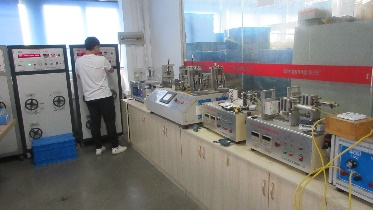
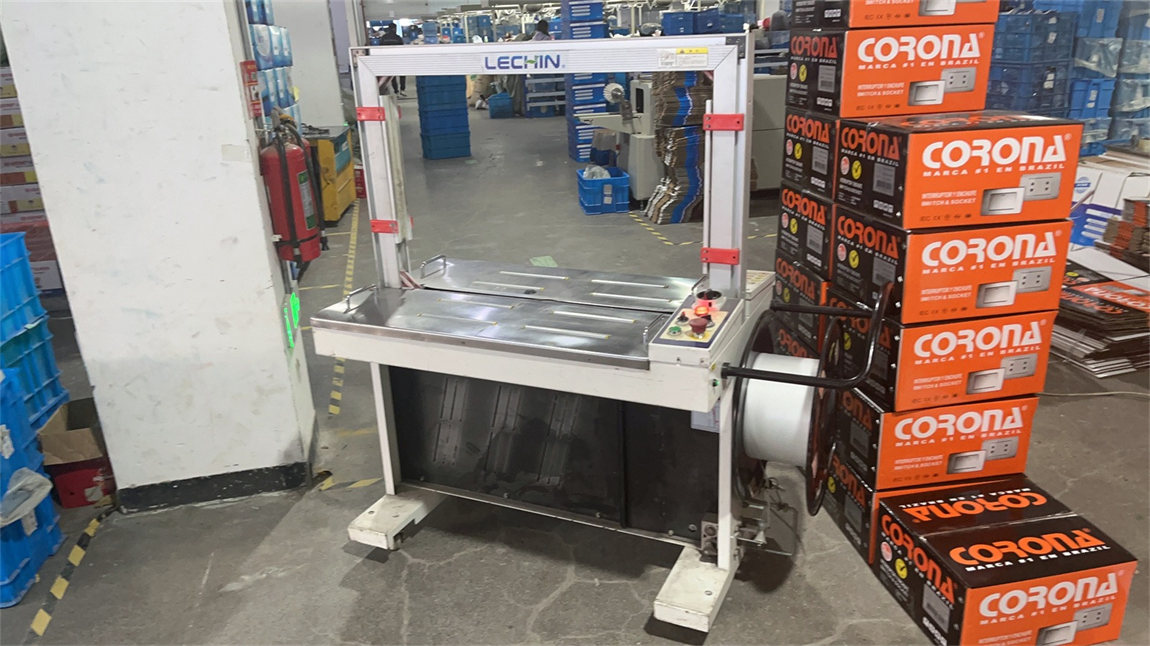
Quality assurance is embedded in the physical layout: raw materials undergo spectrographic tests, components proceed to automated injection molding, assembly happens on clean-room lines, and finished goods face strict dielectric breakdown testing before packaging.
The roadmap for compact integrated power supplies is centered around three pillars: Smart Telemetry, Material Innovation, and Safety Redundancy.
Over the next decade, the industry will pivot from passive copper distribution to active power management. Advanced smart tracks will incorporate localized microchips capable of measuring voltage fluctuations, tracking current usage per adapter node, and detecting micro-arcing before thermal runaway occurs.
Deploying electrical systems globally demands absolute compliance with local regulations. Without appropriate credentials, even the most innovative products present significant liabilities. High-quality Chinese manufacturers guarantee safety compliance across all global markets:
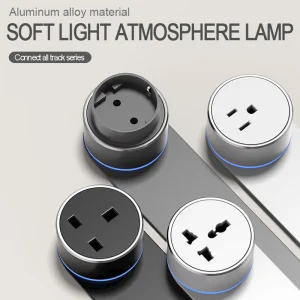
Beyond certifications, localization involves physical adaptability. Compact power tracks must accommodate varying international plugs (UK, EU, US, AU) and voltages (110V to 250V). This is where customization capability is essential. Choosing a manufacturer with a dedicated R&D wing, such as Shenzhen Ranko Power, allows clients to request customized adapter profiles, specific grounding layouts, and custom extrusion lengths tailored to their unique architectural or machinery requirements.
Our localized support structure goes beyond product delivery. We provide detailed installation mockups, simulation models, and engineer-to-engineer consults to verify compatibility with structural, mechanical, and fire-safety systems on site.
Deep technological explanations resolving the most common installation, safety, and logistical questions regarding compact power systems.
Modern sliding power tracks utilize physical isolation slot geometries alongside grounding tracks. The hot line is recessed deep within the track housing, preventing human fingers or conductive objects from coming into contact with active copper components. In addition, high-quality tracks feature IP20 or higher ingress ratings and thermal protection materials that prevent melting during overload events.
Thermal mitigation is achieved through two main strategies: the use of high-grade extruded aluminum tracks with excellent thermal conductivity (acting as a giant passive heat sink) and internal components designed for low resistance. In high-power applications, components are isolated, and flame-retardant, high-temperature resistant polycarbonate plastics are utilized to prevent localized heat buildup.
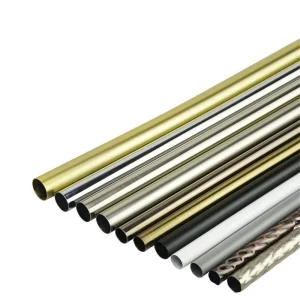
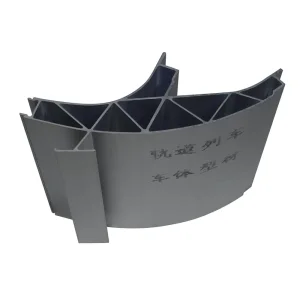
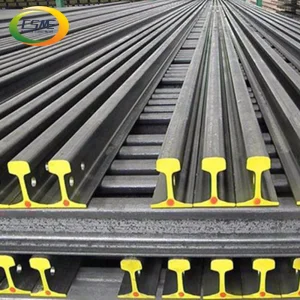
In high-stress industrial applications (such as cranes and trains), the structural tracks must support both heavy mechanical loads and high-speed electrical movement. Custom aluminum extrusions offer a superior strength-to-weight ratio, high corrosion resistance, and precise straightness tolerances. These characteristics prevent mechanical binding, reduce wear on electrical pick-up brushes, and ensure continuous electrical contact under vibration.
Every step of the process is subjected to strict control protocols. During injection molding, computerized cycle monitoring ensures zero structural voids in the plastic parts. In the CNC lathe, milling, and drill steps, parts are checked using precise measurement devices to ensure they match blueprints. Finally, before packaging, all electrical components undergo 100% high-voltage insulation and continuity tests.
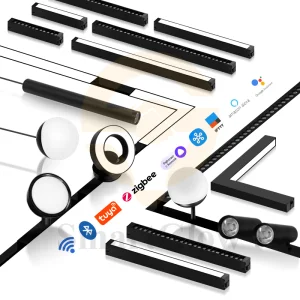
Yes. By integrating smart wireless control modules (such as Tuya WiFi or Zigbee) inside the rail adapters or the main track driver feeds, users can control, schedule, and monitor power output through smart assistants and automation networks. This allows for automated scheduling, energy tracking, and easy remote power control.
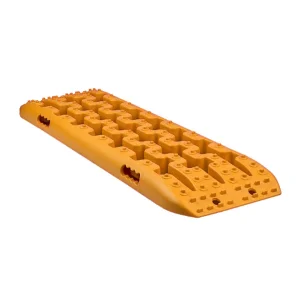
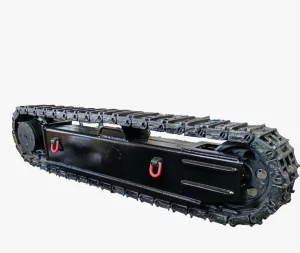
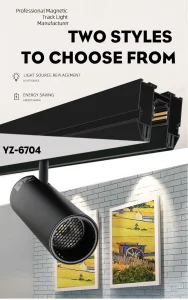
Explore our heavy-duty industrial sockets, smart power track systems, crane rails, and off-road emergency recovery systems.
 Ranko Power