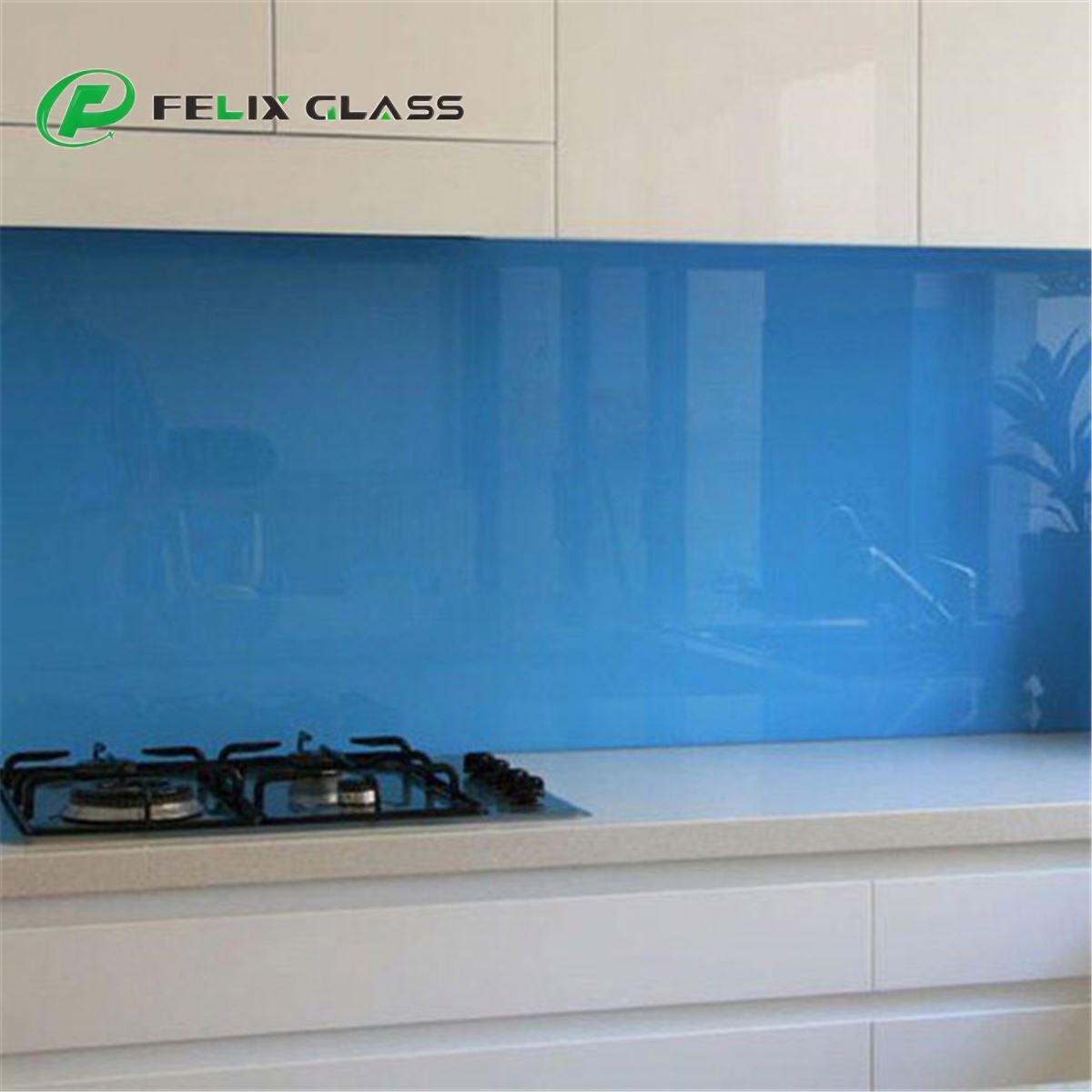
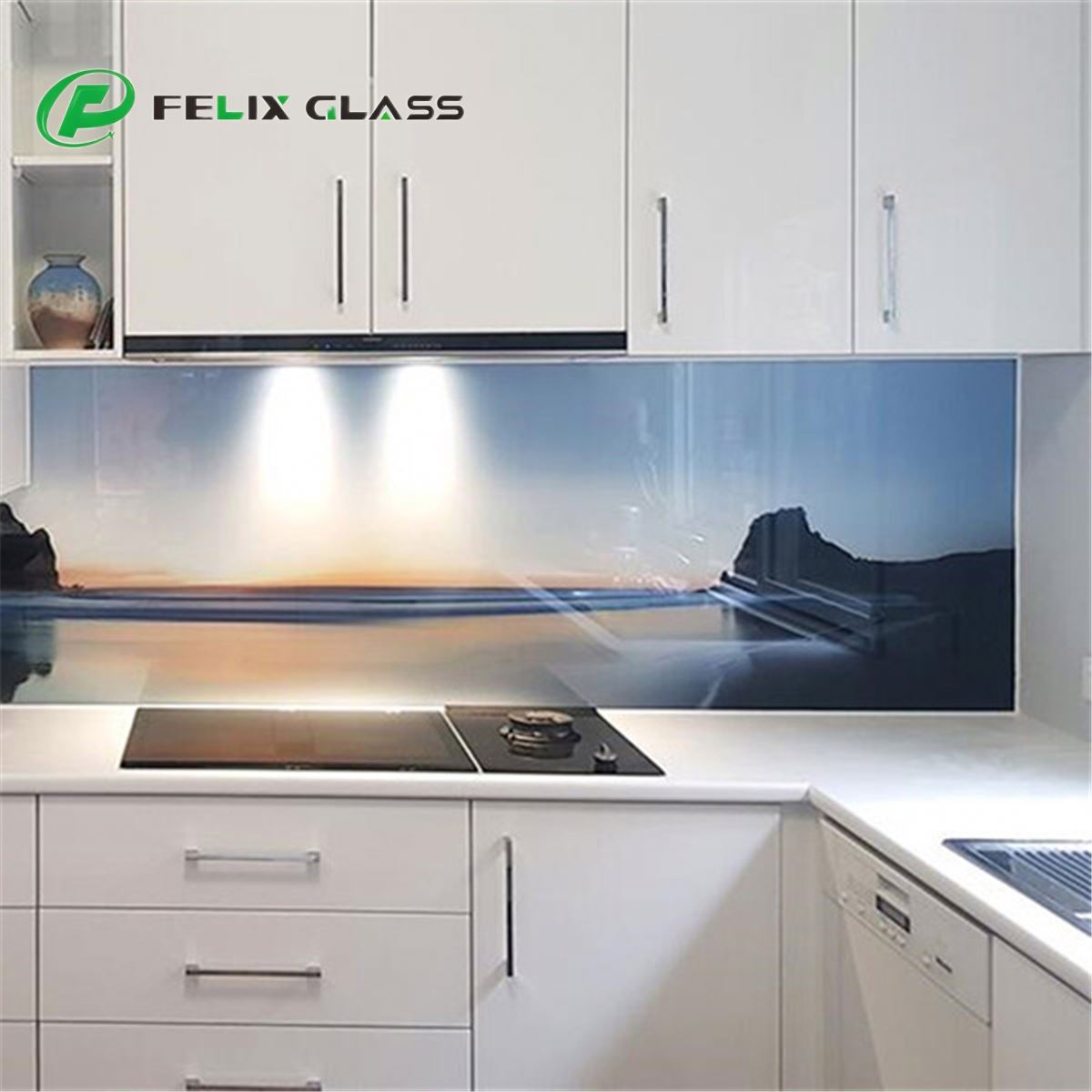
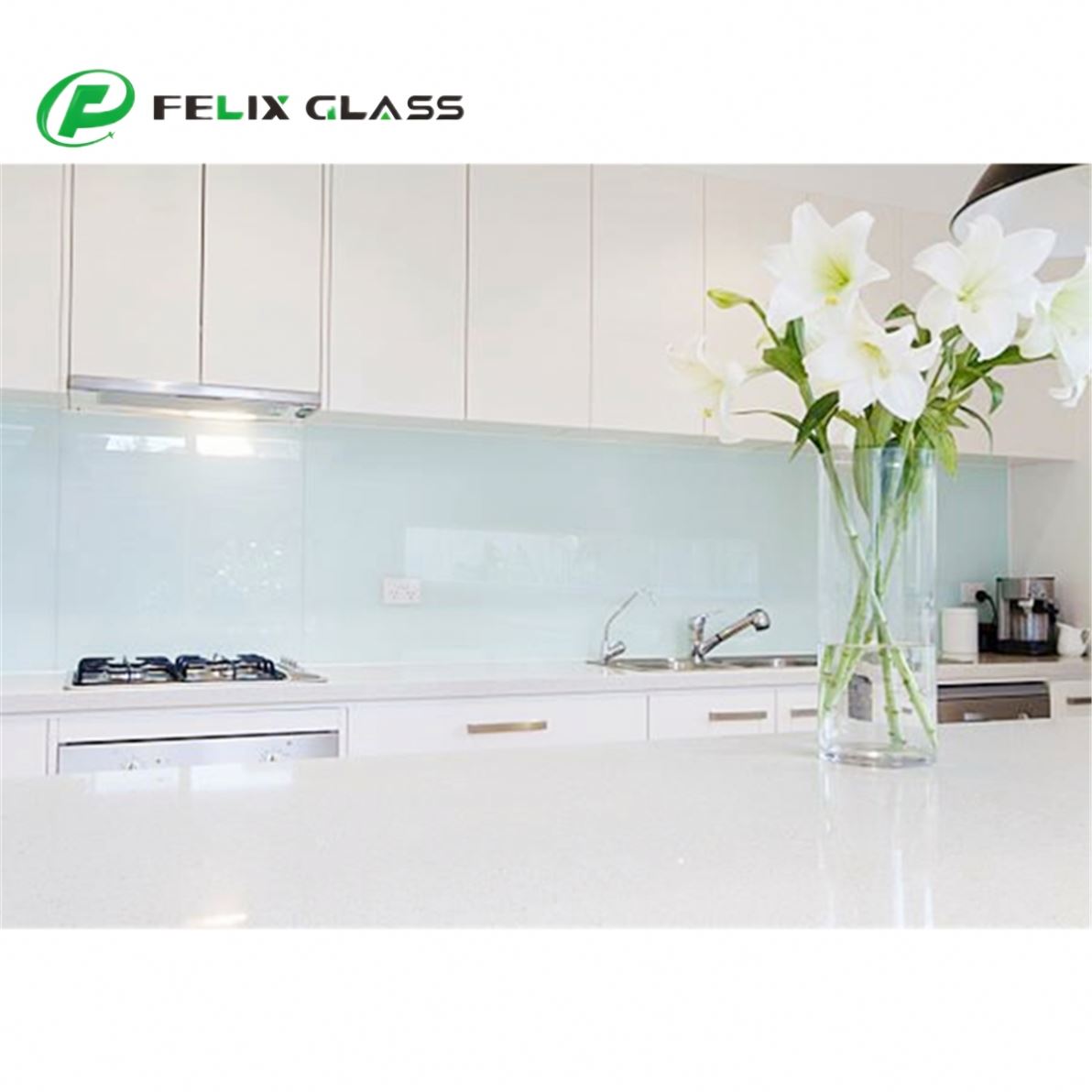
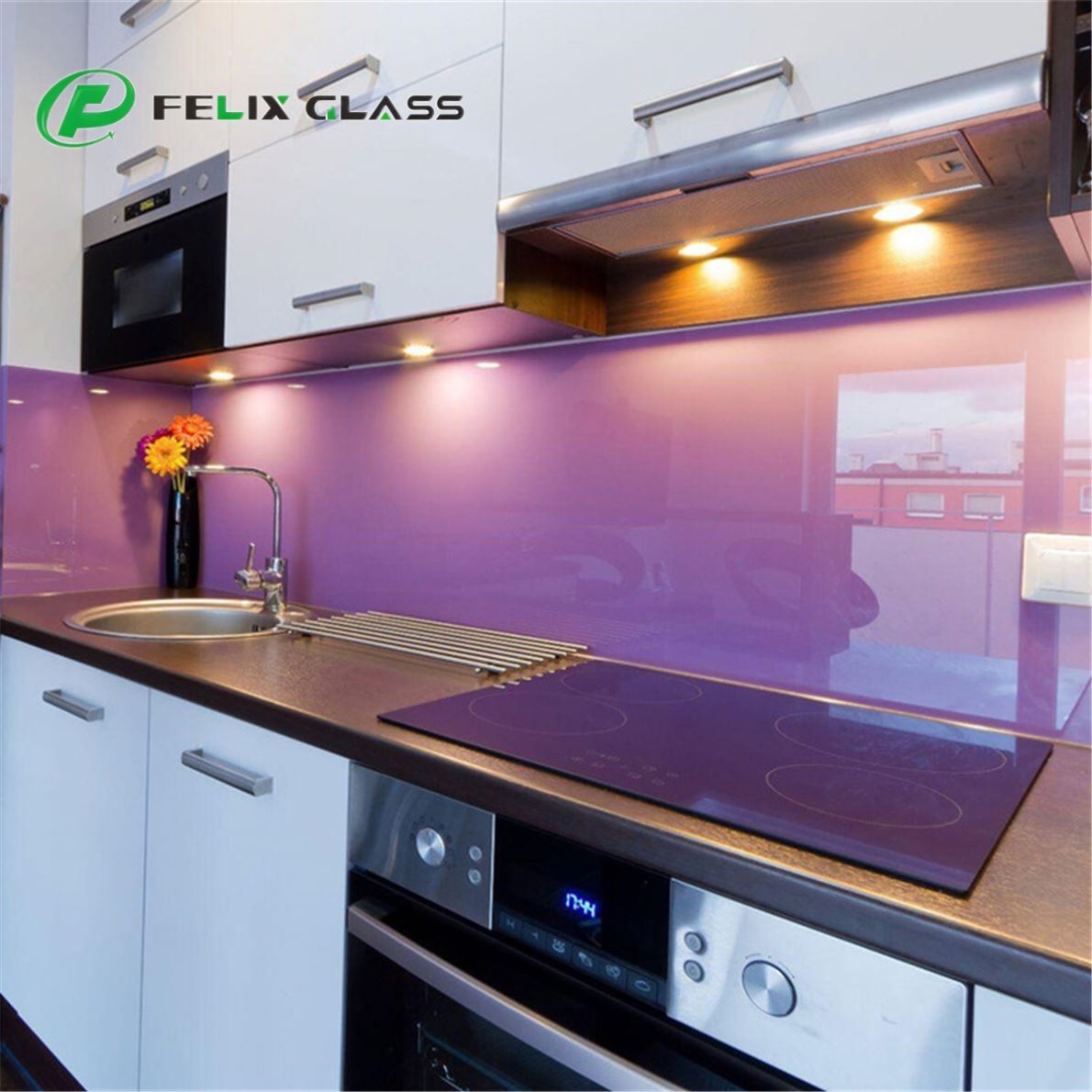
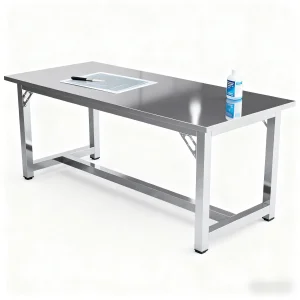
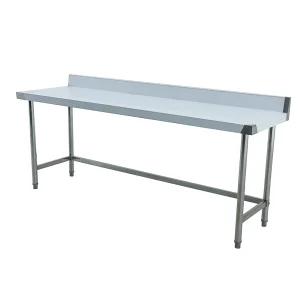
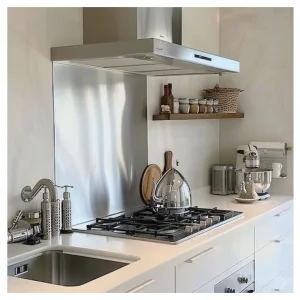
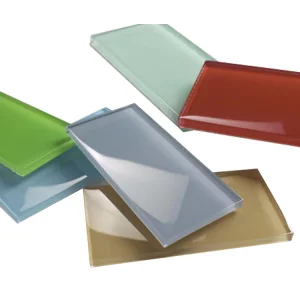
Splash Back Tempered Low-E Glass 3mm-6mm Waterproof IP65/IP67 Kitchen Backsplash for Industrial Display Screen Instrument Use

Product Description

Automotive Display Glass Solutions

Automotive Display Glass
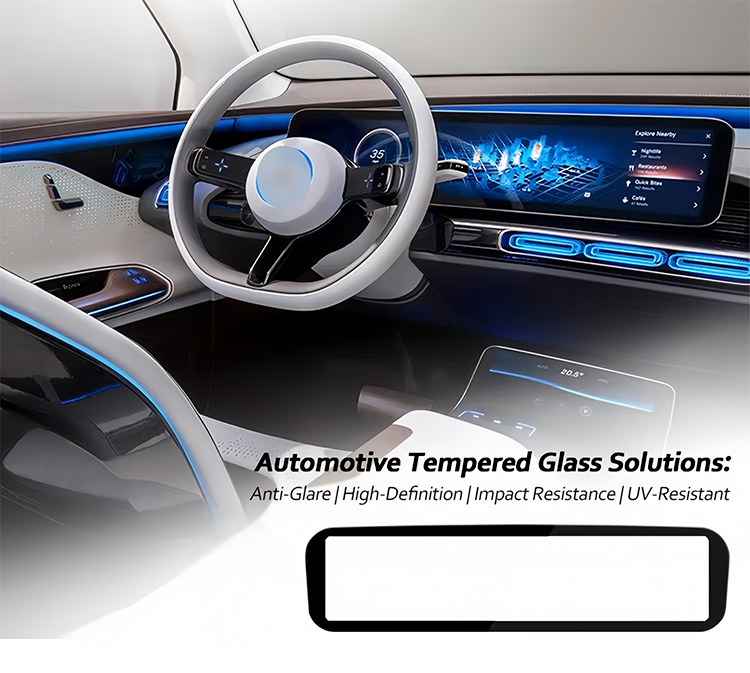
Automotive Tempered Glass Solutions

High-Impact Tempered Glass for New Energy Vehicle Dashboards - HD, Anti-Scratch, UV Protection, IATF 16949

As a certified IATF 16949:2016 manufacturer, we deliver precision-engineered tempered glass solutions for next-gen EV dashboards, central control screens, and in-vehicle systems. Our certification-driven approach ensures compliance with automotive OEM standards.

1. Advanced Optical Performance

  • Anti-Reflective (AR) Nano-Coating: Reduces surface reflectivity to <0.5% while achieving ≥93% light transmittance, ensuring crisp visibility under direct sunlight.
  • 3D Curved Edges: Precision-formed 0.5-2.5mm radius edges enable seamless integration with bezel-free EV interior designs.
  • UV-Cut Layer: Blocks 99% of UVA/UVB rays to prevent screen yellowing and driver eye fatigue.

2. Enhanced Safety & Reliability

Our tempered glass undergoes ion-exchange strengthening to achieve surface compression >10,000 psi, ensuring shatter-resistant performance that meets ECE R43 and FMVSS 205 standards. Upon impact, the glass fragments into <1mm granular particles (DIN 52337 compliant), eliminating laceration risks in collision scenarios.

3. Automotive-Optimized Thermal Stability

Engineered to withstand -40°C to 150°C thermal cycles, our glass maintains structural integrity under extreme temperature fluctuations common in EVs. The low thermal expansion coefficient (3.2×10⁻⁶/°C) prevents optical distortion during rapid cabin heating/cooling.
4. Customization for Smart Mobility

  • Laser-Cut Openings: Supports Ø2-50mm mounting holes and 0.1mm-tolerance notches for sensor/button integration.
  • Hybrid Bonding: Compatible with 3M VHB5952 and OCA optical adhesives for vibration-resistant assembly (tested to ISO16750-3).
  • Thickness Options: 0.25mm (ultra-slim displays) to 5mm (heavy-duty control panels).

5. Certified Automotive Compliance

  • Chemical Tempering: Achieves Vicor ≥650 surface hardness.
  • Full Traceability: Complies with IMDS and ELV directives, with ROHS/REACH documentation.

Medical-grade Screen Glass Solutions

Medical Grade Screen Glass
Medical-Grade Tempered Glass Cover

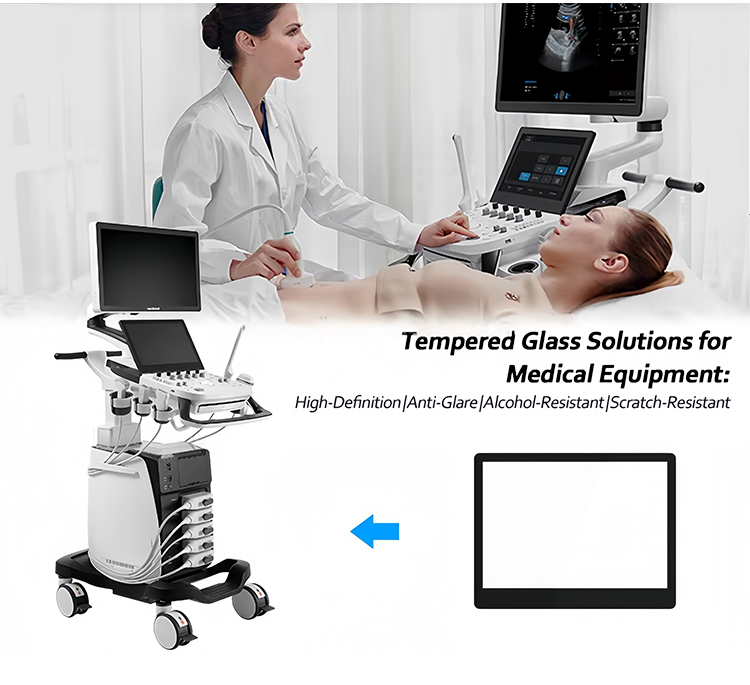
FDA/CE-Certified Custom Tempered Glass for Portable Ultrasound Systems | Ultra-Thin, Drop-Resistant & Sterilization-Resistant

As a premier manufacturer of customized tempered glass cover panels for LCD screen protection, we specialize in delivering precision-engineered solutions that meet the rigorous demands of the global medical industry. Our products are designed to excel in critical healthcare environments through the following key strengths:

1. Advanced Antimicrobial Protection

Featuring proprietary nano-coating technology, our glass panels inhibit 99.9% of E. coli, Staphylococcus aureus, and other pathogens, aligning with hospital sterilization protocols. The anti-fingerprint (AF) coating ensures effortless disinfection while maintaining optical clarity for accurate diagnostic readings.

2. Ultra-High Strength & Safety

Utilizing Corning Gorilla Glass 2320 and AGC aluminosilicate substrates, our panels achieve CS >650 MPA and DOL >40µm via ion-exchange strengthening. This ensures shatter-resistant performance (meeting EN 12150-1 standards), with fragmentation into harmless granular particles upon impact.

3. Medical-Optimized Optical Performance

  • Double-sided AR coating enhances visibility under intense OR lighting while reducing glare.
  • Light transmittance >92% (T≥92%@400-1100nm), critical for true-color imaging in surgical displays and patient monitors.

4. Customization for Medical Scenarios

  • Precision CNC machining accommodates complex shapes (notches, slots) to retrofit existing medical device housings.
  • Thickness options: 0.33mm to 3.0mm (±0.02mm tolerance) for endoscopes, ultrasound probes, and portable devices.
  • Seamless integration with 3M VHB adhesive systems (4914/9495) for vibration-resistant bonding.

5. Compliance & Traceability

Certified to ISO 9001:2015 and ISO 13485, with vacuum-sealed packaging to prevent contamination. Full material traceability supports FDA/CE documentation requirements for Class II/III medical devices.

Technical Report Style

Materials Thickness (mm) Inch Drop Ball Test IK Level Surface Hardness (Pencil Test) CS / DOL
Soda lime 0.55 3"> 65g, 30cm, five points each tested once without breakage IK01 7H(500g) CS>450Mpa, DOL>8um
0.7 >10" 130g, 30cm, one test at the center point without breakage IK03 7H(500g) CS>450Mpa, DOL>8um
1.1 >10" 227g, 80cm, one test at the center point without breakage IK06 7H(500g) CS>450Mpa, DOL>8um
2.0 >10" 227g, 145cm, one test at the center point without breakage IK07 7H(500g) CS>450Mpa, DOL>8um
3.0 >10" 500g, 100cm, one test at the center point without breakage IK08 7H(500g) CS>450Mpa, DOL>8um
4.0 >10" 500g, 100cm, one test at the center point without breakage IK08 7H(500g) CS>450Mpa, DOL>8um
Alumina silicon glass 0.55 >7" 65g, 30cm, five points each tested once without breakage IK01 9H(500g) CS>650Mpa, DOL>35um
0.7 >10" 130g, 60cm, test 3x at the center point without breakage IK05 9H(500g) CS>650Mpa, DOL>35um
1.1 >10" 227g, 80cm, test 3x at the center point without breakage IK06 9H(500g) CS>650Mpa, DOL>40um
2.0 >7" 500g, 100cm, one test at the center point without breakage IK08 9H(500g) CS>650Mpa, DOL>40um

Equipment List and Processing Scope

Equipment Name Processing Dimensions (mm) Quantity
Cutting machine2500*2000102
Dual axis CNC (small size)350*250123
Single axis CNC (medium to large size)700*45097
Single axis CNC (large size)1500*80059
2.5D scanning machine300-200112
Ultrasonic cleaning machine300*20089
Automatic ultrasonic cleaning machine300~20091
Flat cleaning machine800*1500117
Chemical strengthening furnace1500*800103
Semi automatic printing machine (small size)330*200137
Semi automatic printing machine (large size)1500-80092
Fully automatic printing machine270*180118
Baking line800*150076
Oven800~600121
Processing Equipment

Supplier Capability Comparison

Compare Projects Other Suppliers Our Standard
Rapid Response No, long quotation time, some need 24H or more. Regular quotation: <30 minutes. Response time: <4h during working hours, <12h during non-working hours.
Communication Process Mostly from a business background and unprofessional, customers often experience a communication gap. Easy! With experience in multiple projects, able to prevent risks for customers and provide reference suggestions.
Professional Service Mechanically understand customer drawings, mechanically apply the content of the drawings. Can understand the meaning behind the drawings. Will provide professional prevention and suggestions for customers. Will provide renderings for customer confirmation within 12H.
Delivery Guarantee No Will actively update the production progress for customers, on-time delivery rate >98%.
Fast Delivery Capability No Urgent samples can be delivered in as fast as 48H.
Small Orders Service MOQ 500 or 1000 or more. Supports small-batch orders with MOQ 100.
After-sales Guarantee Can't find anyone when there is a problem, or shirk responsibilities. If confirmed to be our quality problem or not produced according to the drawing, 24H rapid refund.

Professional Deep Processing Strengths

A professional glass deep processing manufacturer with 19 years of experience in optical lenses, optical glass, AR/AG/AF display touch glass products, etc. We have supplied more than 1,000 top well-known companies in the world, providing high quality and winning trust!
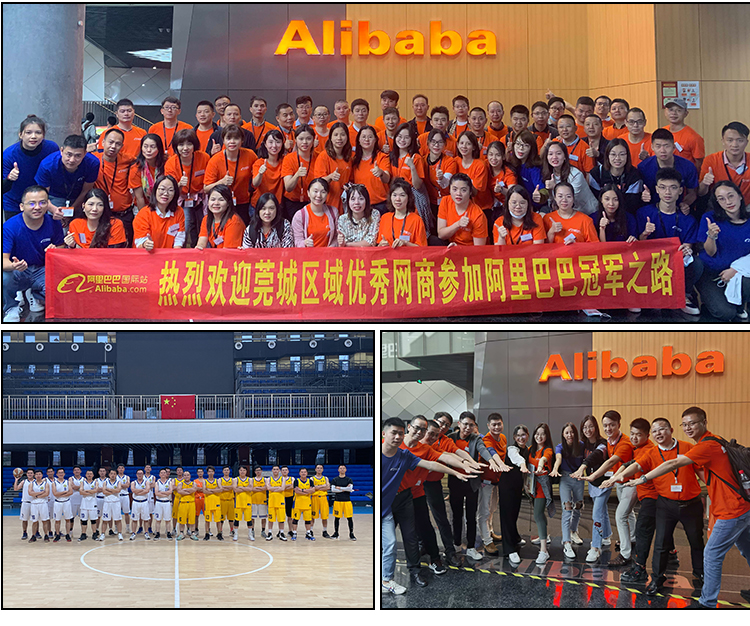

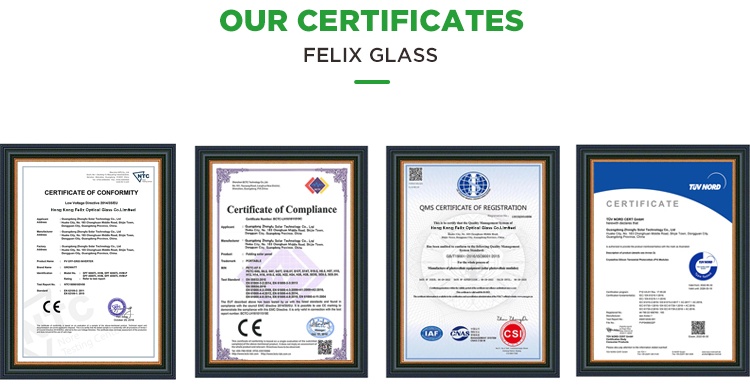
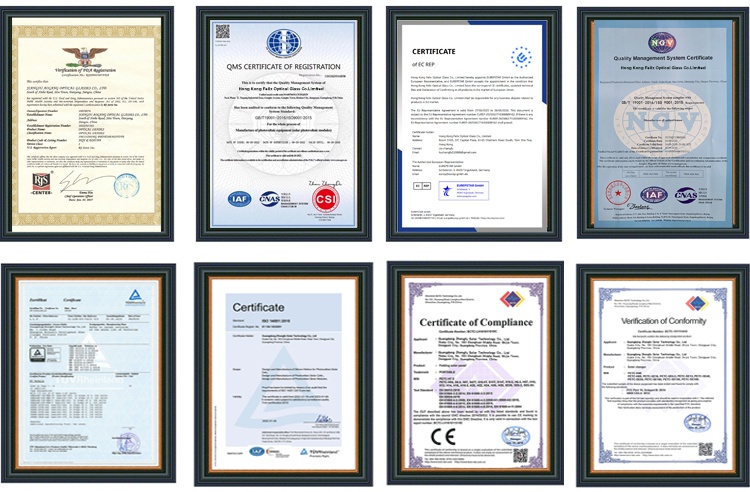
  • ROHS CE GPSR FDA certification BSI certified ISO9001:2015 quality management system.
  • Professional team over 19 years’ experience under Japanese management system.
  • Help over 1000+ companies to make prototypes into mass production successfully.
  • Safe stock system of commonly used materials.
  • Latest instruments and equipment equipped.
  • Challenge the 100% on time delivery goal.
  • 100% full inspection report.
  • Cost-down solutions for over 200+ companies with success.
  • Free solutions provided based on different industries.
  • Support free samples (quick sample production).
  • Small quantity (100-1000pcs) available.
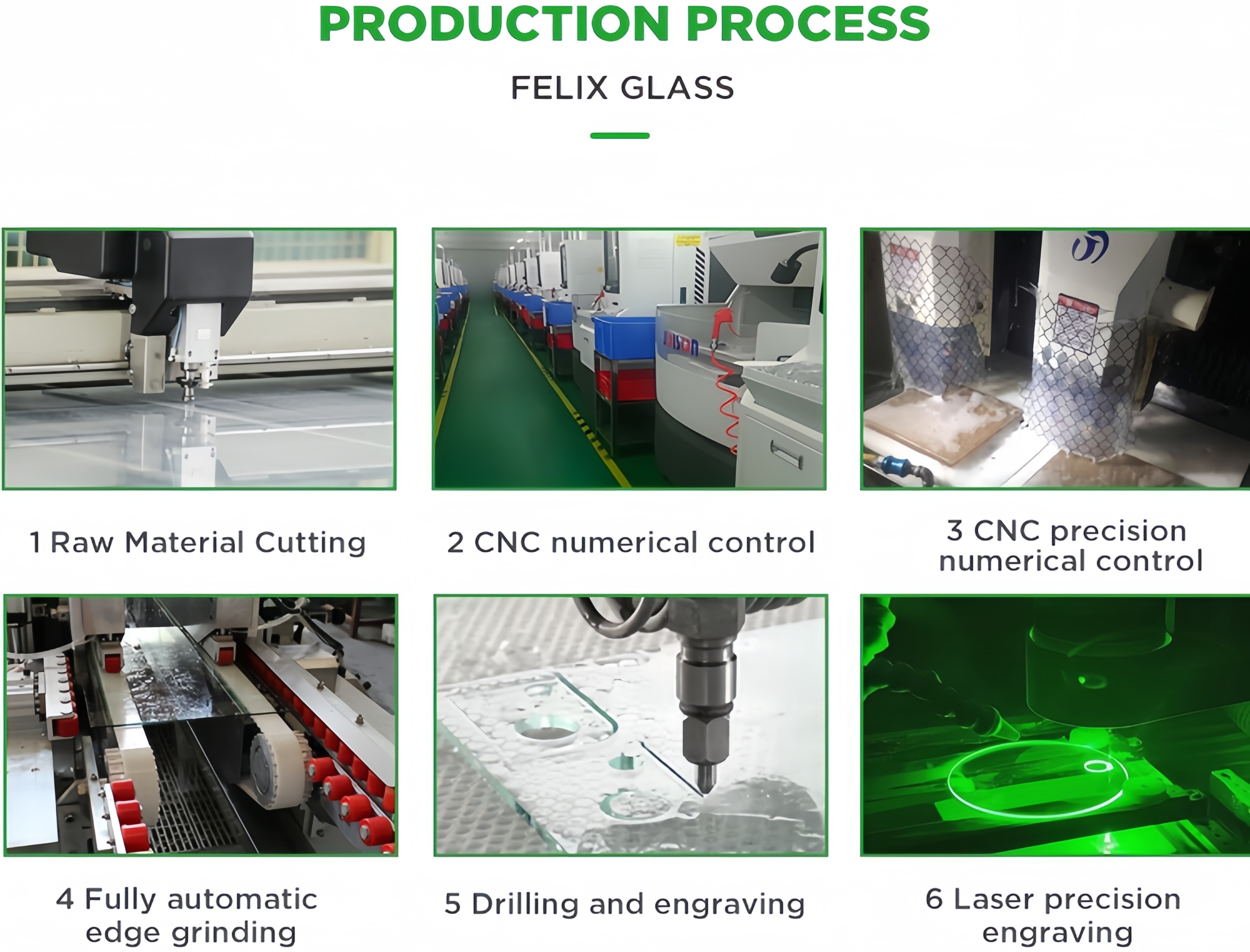
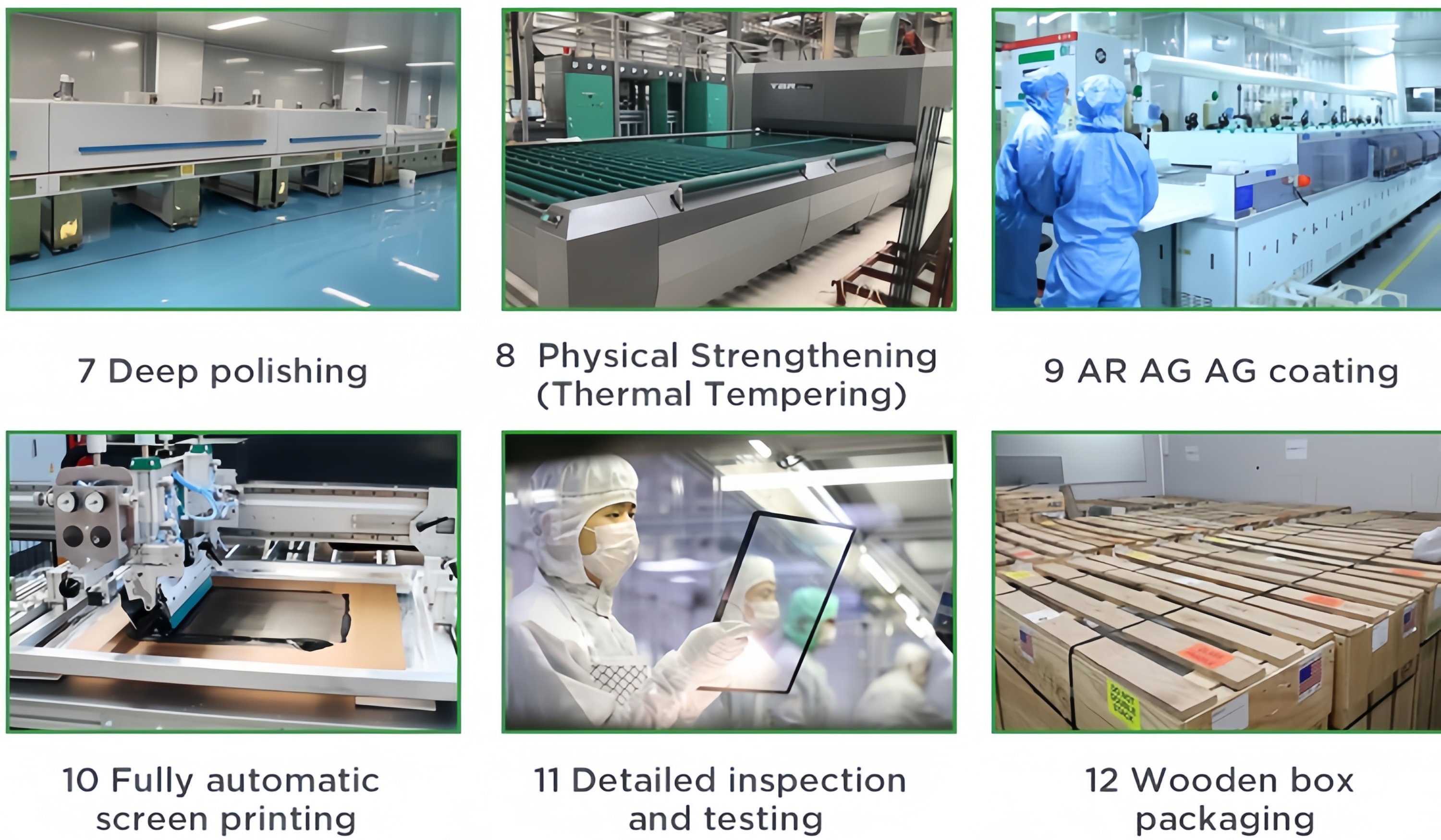
Production Process 1 Production Process 2 Production Process 3 Production Process 4

Engineering & Production Capabilities

Provide Documents

1. Design Files & Document Guidelines

  • Acceptable inputs: Design files, hand-drawn graphics, or physical reference samples.
  • Supported formats: PDF, DXF, DWG, STEP, AI, CDR, EPS, etc.
  • When using a custom font in your design, please create outlines before sending it to us, or provide us with the corresponding font file.
  • It is preferable to provide vector files as they are not affected by scaling, making them suitable for printing. Bitmap files may become blurry when enlarged.
Selecting Glass Materials

2. Selecting Appropriate Glass Materials

  • Standard Thickness (mm): 0.25, 0.33, 0.55, 0.7, 0.8, 1.0, 1.1, 1.2, 1.5, 1.8, 2.0, 2.5, 2.8, 3.0, 3.8, 4.0, 8.0 etc.
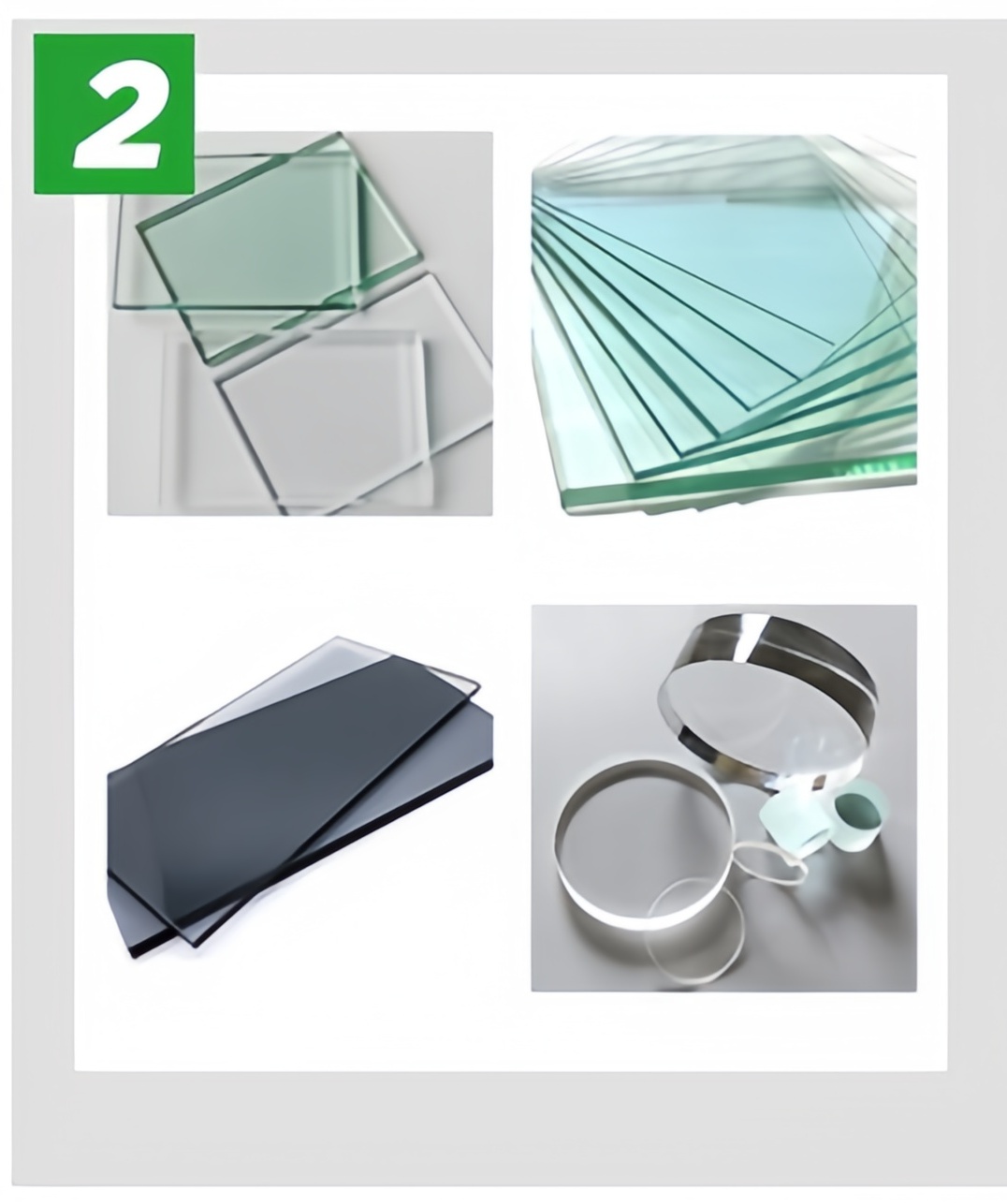
  • Transparency: Clear Glass (affordable), Low Iron Glass (transmittance >93%), Smoked Glass (suitable for concealed windows).
  • Surface Hardness: Regular Glass, Medium Alumina Glass, High Alumina Glass.
  • Brand Classifications: Gorilla Glass, Asahi Glass, Panda Glass, CSG Glass, and more.
  • Application Scenarios: Ordinary Glass, High-Temperature Glass (such as high borosilicate glass), Optical Glass (e.g. BK7).
Glass Forming Techniques

3. Glass Shaping & Structural Forming

  • Forming Methods: CNC Cutting (high precision), Laser Cutting (capable of cutting right-angle holes), Water Jet Cutting (suitable for thick glass). Combining different methods often ensures the best quality and cost performance.
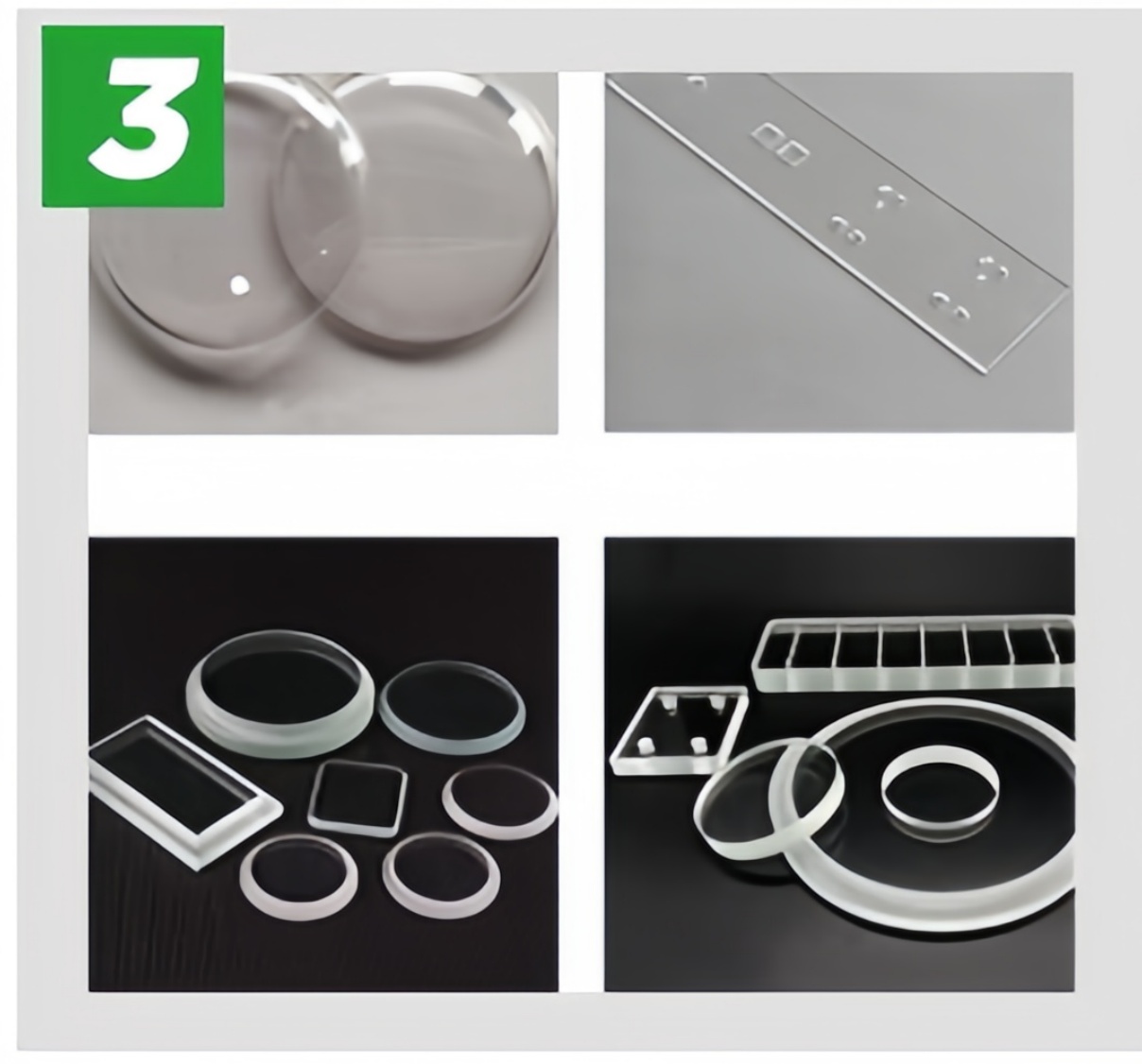
  • Forming Structures: Square, circular, and irregular cuts, drilling, chamfering, countersinking, blind holes, 2.5D edge beveling.
  • Surface Treatment: Flat grinding, polishing, ultrasonic cleaning.
Tempering Process

4. Specialized Tempering Process

Tempering significantly enhances glass strength and safety performance:
  • Chemical Tempering: Suitable for glass below 2mm. The tempering is achieved by chemical substitution in a high-temperature potassium nitrate liquid.
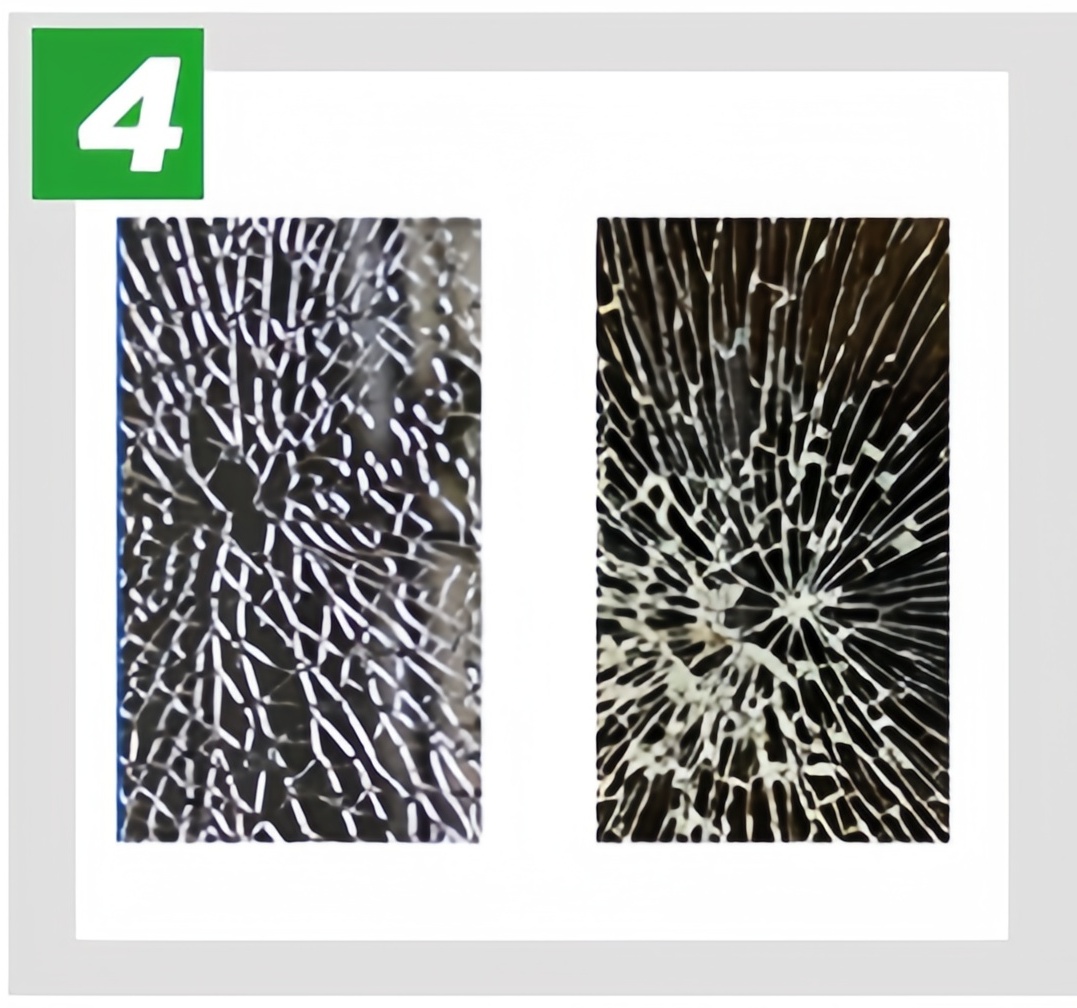
  • Physical Tempering: Suitable for glass above 2mm. This process utilizes high-temperature quenching to achieve high impact resistance and safety.
Printing Patterns

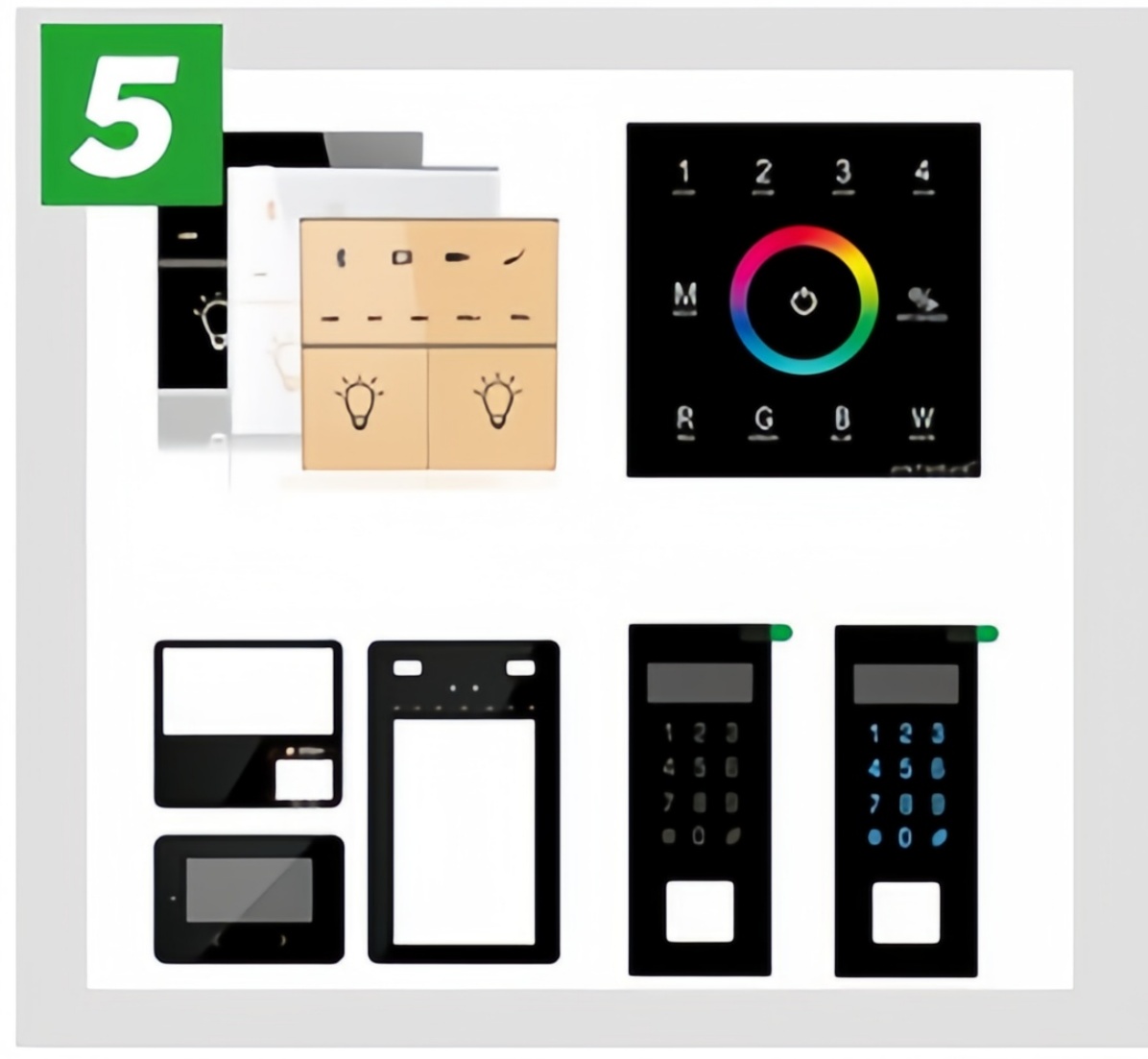
5. Pattern & Color Printing

We apply high-quality patterns and colors directly to the glass panels:
  • Printing Methods: Screen Printing (clear, high-definition results), Digital Printing (suitable for gradients and colorful designs).
  • Color Systems: References to physical samples, Pantone color codes, RAL color codes.
  • Ink Options: Regular ink, High-temperature resistant ink, UV-resistant ink, Light-diffusing ink, Semi-transparent ink, Transparent Infrared (IR) ink.

Special Surface Coatings & Treatments

Anti-Fingerprint Coating

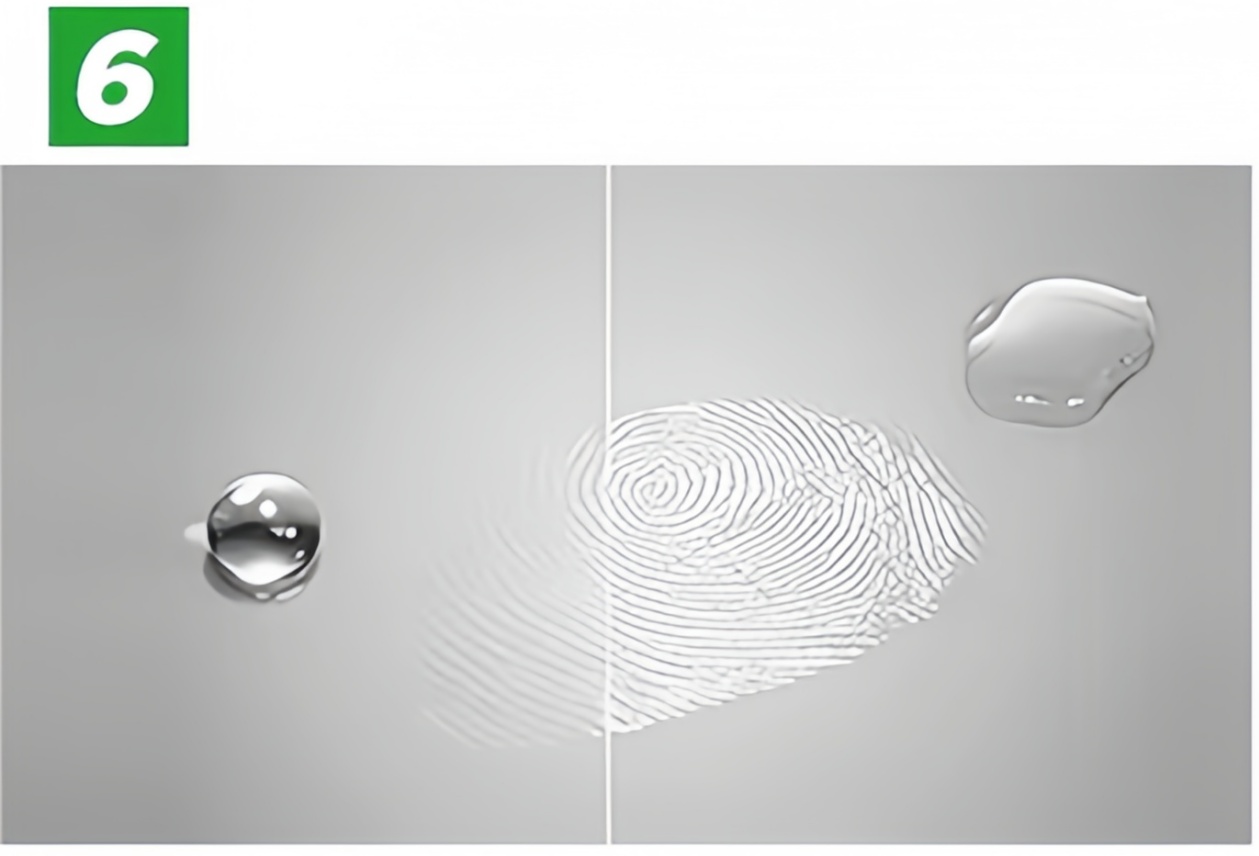
Anti-Fingerprint (AF) Coating

Applying an anti-fingerprint coating creates a clean, fingerprint-resistant surface. The contact angle achieved is greater than 115 degrees (often called the lotus effect), preventing smudges and ensuring easy cleanup.
Anti-Reflective Coating

Anti-Reflective (AR) Coating

Applying an optical AR coating increases overall light transmittance. A single-side anti-reflective coating achieves 95% transmittance, while double-side coatings can achieve 98% transmittance. This treatment is ideal for camera lenses, high-definition screens, and touch displays.
Anti-Glare Treatment

Anti-Glare (AG) Treatment

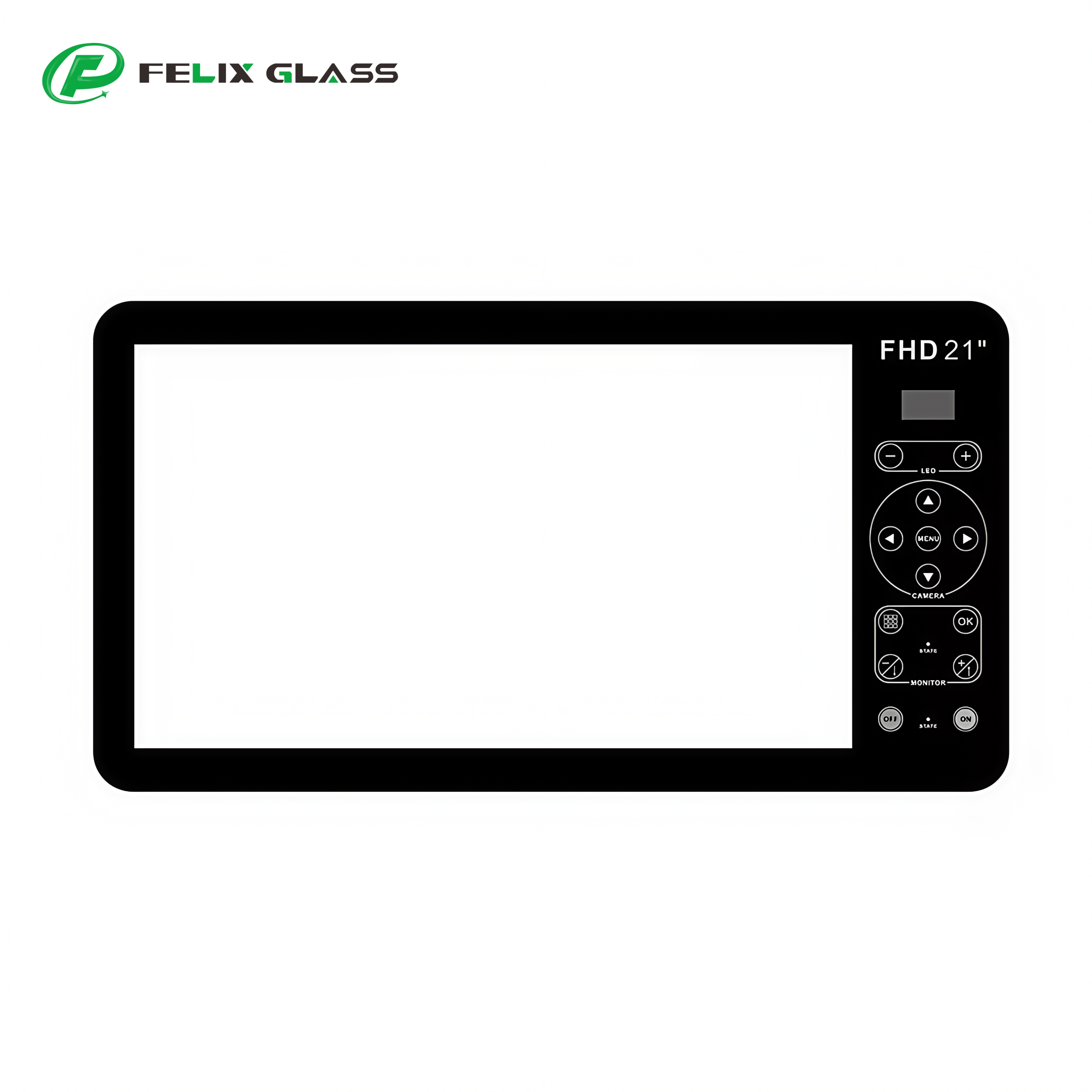
Anti-glare treatment diffuses light reflections on the glass surface to mitigate user eye fatigue. It is widely used in medical equipment, e-books, in-car displays, outdoor payment devices, and more:
  • Glossiness >80: Suitable for indoor screens.
  • Glossiness 50-70: Optimal for outdoor devices.
  • Glossiness 20-30: Suitable for touch panels (delivers a smooth, paper-like tactile feel).
Mirror Electroplating

Mirror Electroplating

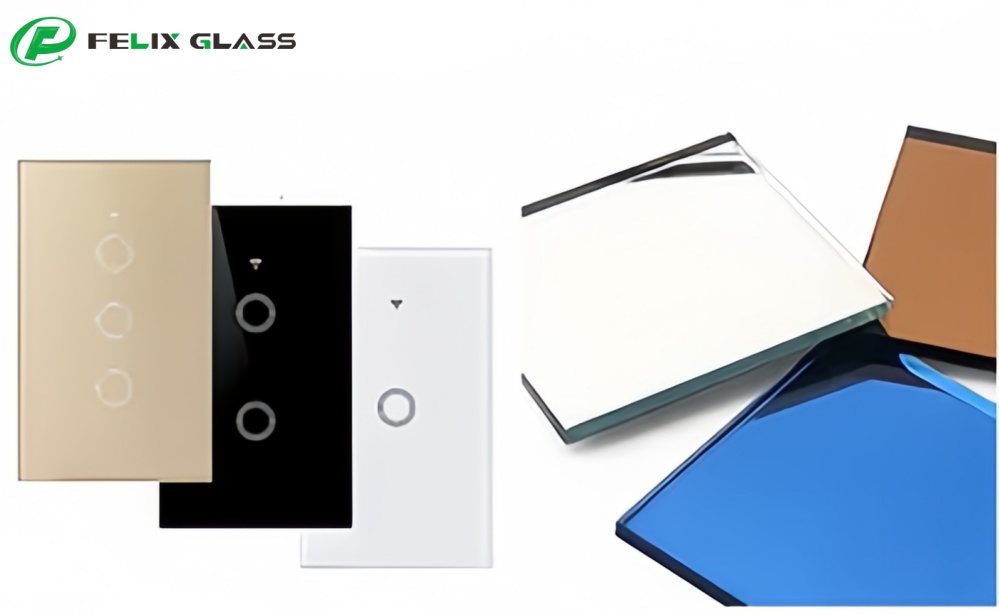
Deposition of aluminum, chromium, indium oxide, nickel, or other raw metals on the glass surface to produce a high-reflection mirror effect. This process is used for smart mirrors (aluminum/chromium plating), metal gloss effects for switch panels, indium oxide plating for touch controls, or nickel plating for non-touch options.
Infrared Transmitting Glass

Infrared-Transmitting Glass Panels

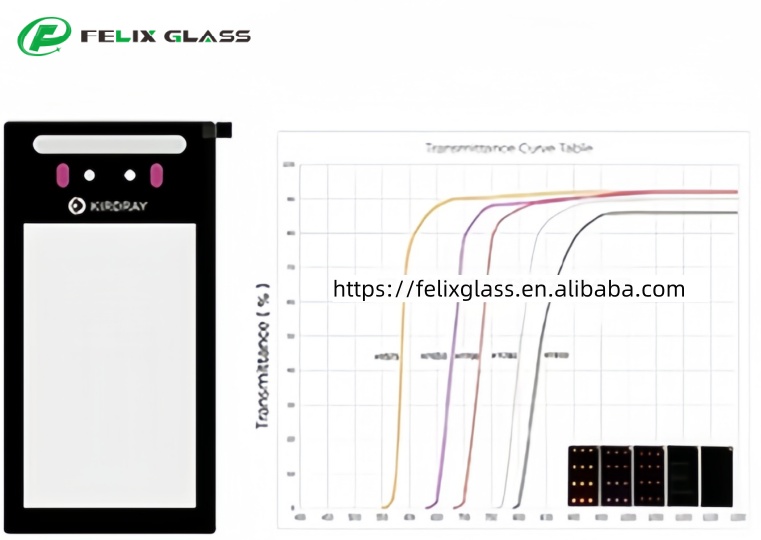
IR transparent glass panels are used for facial/iris recognition, radar, and remote control windows. We process these using silk screen IR inks and optical coatings to match custom shapes.
  • Colors: Black, red, and others.
  • Parameters: Visible light transmittance <2%, and >90% transmittance at 820nm & 940nm.

Customer Satisfaction

Bernat Bonnin Customer Review

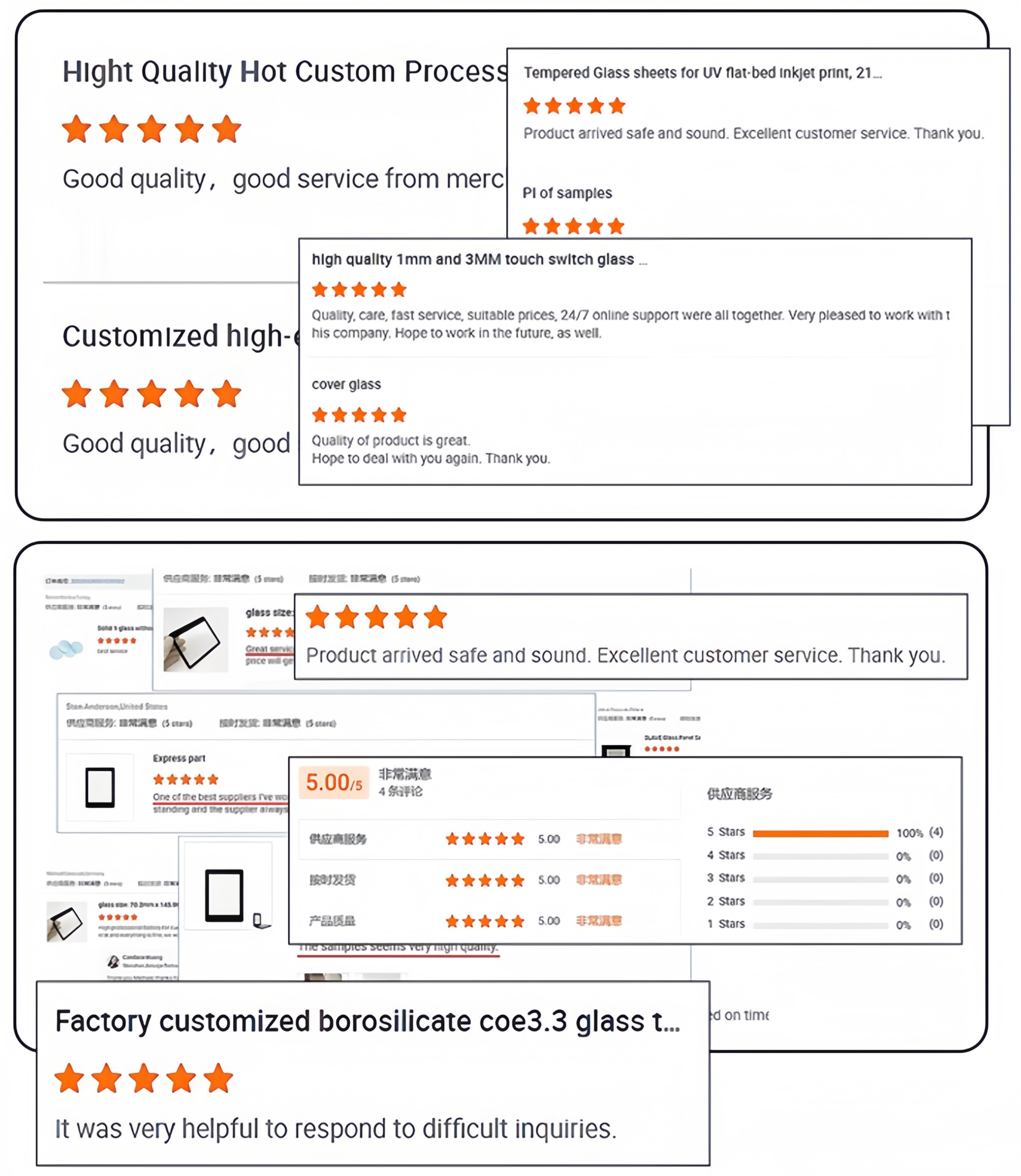
"Working with this manufacturer was an absolute pleasure! The product quality exceeded my expectations, and the customer service team was incredibly responsive. From order to delivery, everything was seamless. I'm already planning my next purchase - highly recommend to anyone looking for Display glass panels!"
— Bernat Bonnin, CEO (Medical Devices Sector)

Product Gallery

Showcase 1 Showcase 2 Showcase 3 Showcase 4 Showcase 5 Showcase 6 Showcase 7 Showcase 8 Showcase 9 Showcase 10
Final Quality Check

Frequently Asked Questions

Can AG (Anti-Glare) and AR (Anti-Reflective) processes be realized on a single cover glass?
Yes. AG, AR, and AF (Anti-Fingerprint) can all be processed on the same cover glass substrate. This combined solution is referred to as 3A, and it is a common standard for display cover glass systems.
What processes can achieve the "dead front effect" (All-in-one-black) on cover glass?
The dead front effect (where the display is visible when back-lit and completely black when non-backlit) can be achieved through:
  • Printing: suitable for small areas within 20*20mm.
  • Electroplating: suitable for sizes below 7 inches.
  • Gray glass material: supports sizes up to 32 inches.
  • Film adhesion: supports unlimited sizes.
Will the glass strength be affected after AG (Anti-Glare) etching?
No. Since the etched depth on the glass surface is only about 0.05mm and the chemical strengthening uses an immersion method, ion replacement is fully completed. Repeated stress tests show that AG etching does not degrade structural strength.
What is the standard water contact angle for AF (Anti-Fingerprint) coatings?
Our standard water contact angle for AF coatings is >105°. In abrasion testing (using a 200g weight and steel wool #0000 for 2,000 cycles back and forth), the contact angle recession remains within 15%.
How can I visually identify the etched side of AG glass?
The easiest visual test is to hold the glass under a fluorescent light and look at the reflected tube from the front. If the light source reflection is scattered and blurry, it is the etched side. If the reflection is sharp and clearly defined, it is the non-AG side.
What is the stress standard for chemically strengthened glass?
For Gorilla Glass substrates, the stress value is typically DOL > 40µm and CS > 650Mpa. For Soda Lime glass, the stress standard is DOL > 8µm and CS > 450Mpa.

Related Products