Explore our top-tier engineering solutions designed for high-density workspaces, medical facilities, dynamic heavy equipment tracking, and intelligent IoT environments.
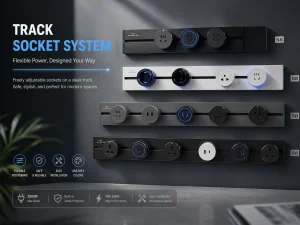
Modern commercial, industrial, and residential infrastructures demand a massive paradigm shift in how electrical energy is delivered, regulated, and integrated. Standard wall-mounted outlets with fixed copper runs are rapidly being replaced by highly customizable, track-based, and digitally monitored solutions. An efficient power distribution solution acts as the central nervous system of any smart facility. It reduces resistive transmission losses, mitigates safety risks associated with open arcing, and adapts seamlessly to shifting layouts without expensive, structural rewiring.
Globally, engineering consulting groups, real estate developers, and plant managers prioritize key metrics such as power density, thermal dissipation capacity, and localized regulatory compliance (such as BS 1363, CEE, and NEMA specifications). Highly adaptive busways and intelligent track socket lines are critical elements for achieving LEED and BREEAM certifications. They minimize raw materials waste and optimize energy utilization through real-time power monitoring interfaces.
Shenzhen Ranko Power Co., Ltd., established in 2000, is a leading innovator in intelligent power distribution solutions, dedicated to providing customers worldwide with safe, smart, and stylish electrical systems. With a strong commitment to technological innovation and product excellence, Ranko Power continues to redefine modern power accessibility and convenience for residential, commercial, and office environments.
Renowned for its professionalism and forward-thinking approach, Ranko Power focuses on integrating advanced electrical technologies with the evolving needs of modern lifestyles. Guided by the philosophy of "Safe, Flexible, and Efficient Power Delivery," the company has developed innovative power track systems that transform the traditional way electricity is accessed and utilized.
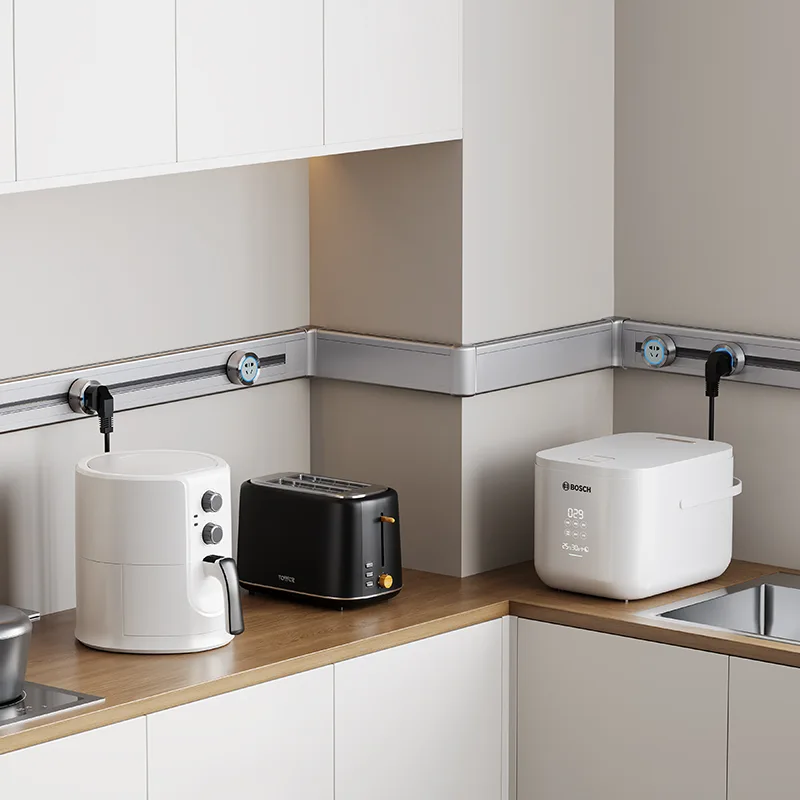
Designed with both aesthetics and functionality in mind, Ranko Power's solutions combine sleek, minimalist styling with advanced safety protection features. Unlike conventional fixed socket installations, the power track system offers flexible power access, allowing users to add, remove, or reposition power adapters safely and conveniently according to their changing requirements.
The company's products are widely used in homes, offices, retail spaces, hospitality projects, and commercial developments around the world. Through continuous investment in research and development, Ranko Power integrates intelligent control technologies, energy-efficient designs, and stringent quality standards to deliver reliable and future-ready electrical solutions.
Driven by the vision of "Powering Innovation, Enhancing Everyday Life," Shenzhen Ranko Power Co., Ltd. remains committed to advancing smart power technologies and providing customers with safer, more efficient, and more sustainable ways to power their spaces.
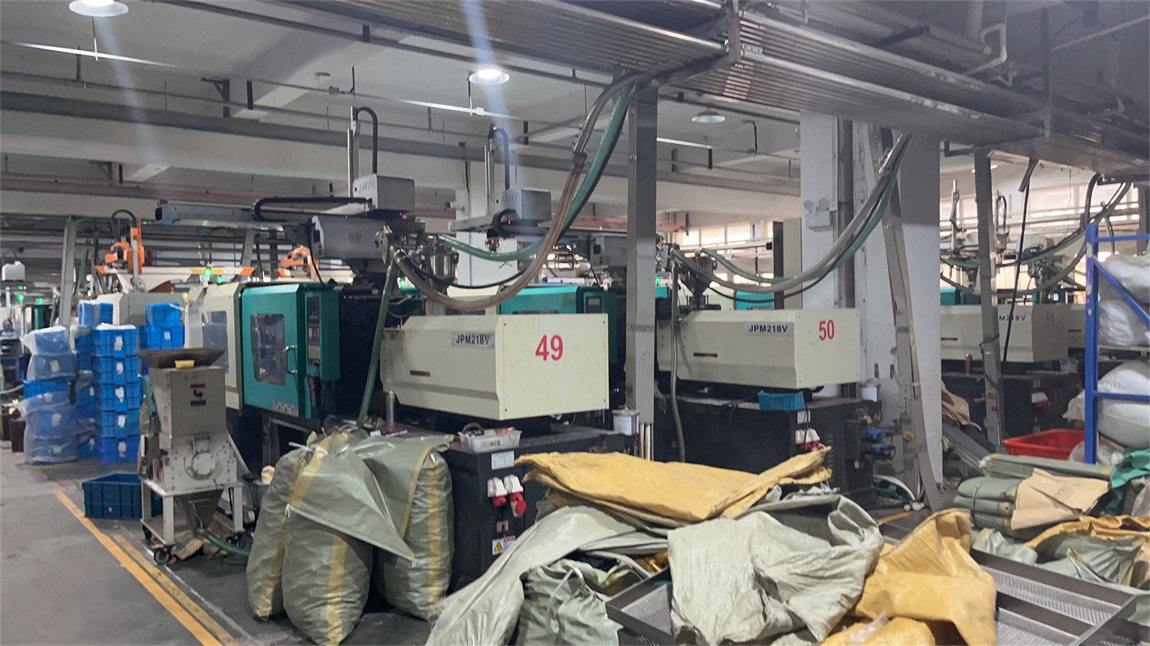
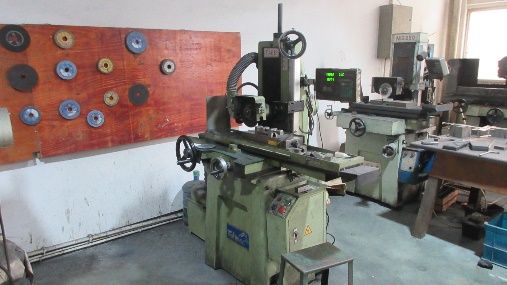
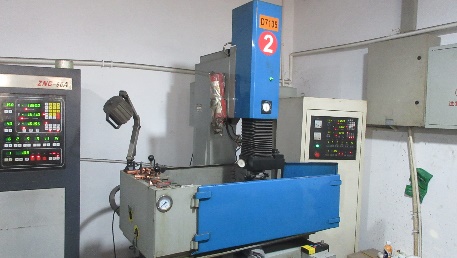
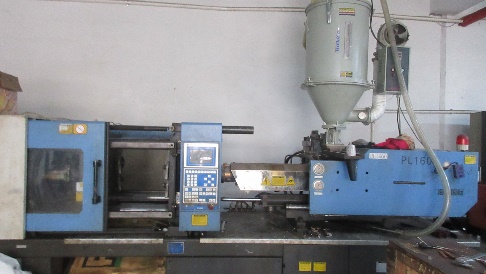
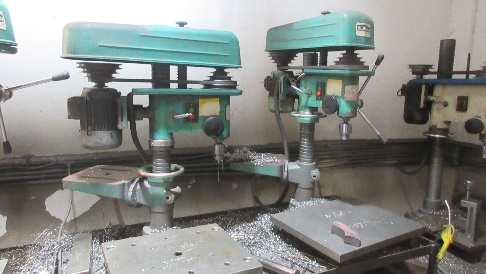
To guarantee complete mechanical consistency and electrical safety, Shenzhen Ranko Power Co., Ltd. maintains a vertically integrated fabrication facility. Every stage, from sourcing raw materials to final electrical leakage testing and logistics-ready packaging, is monitored under a strict QA/QC program.
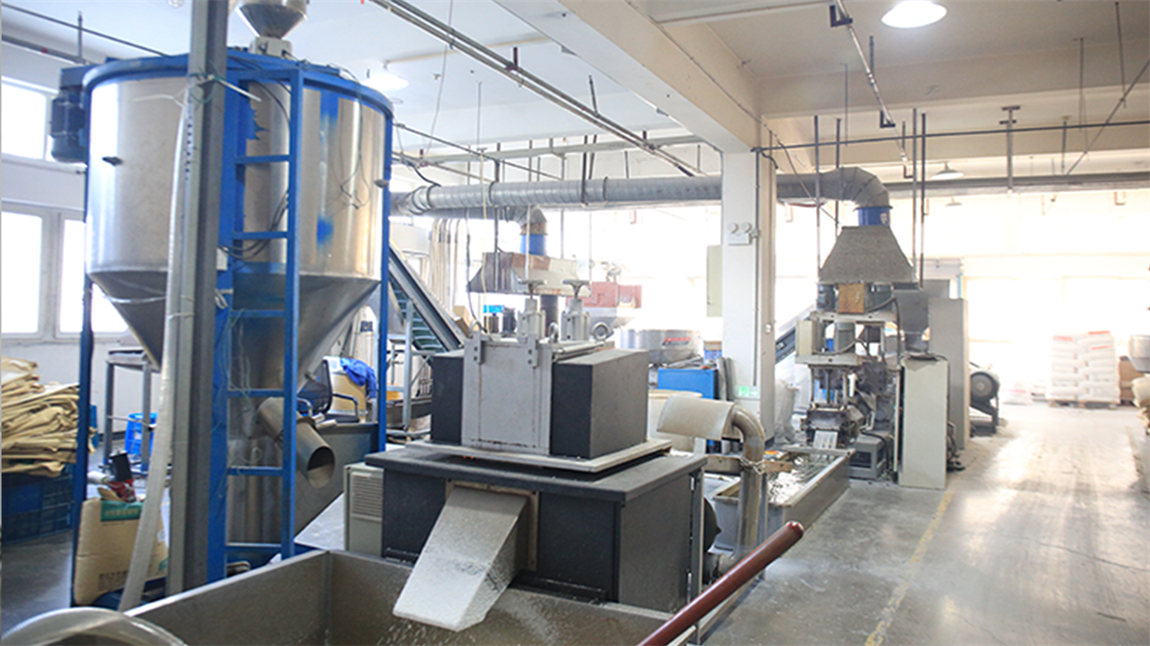
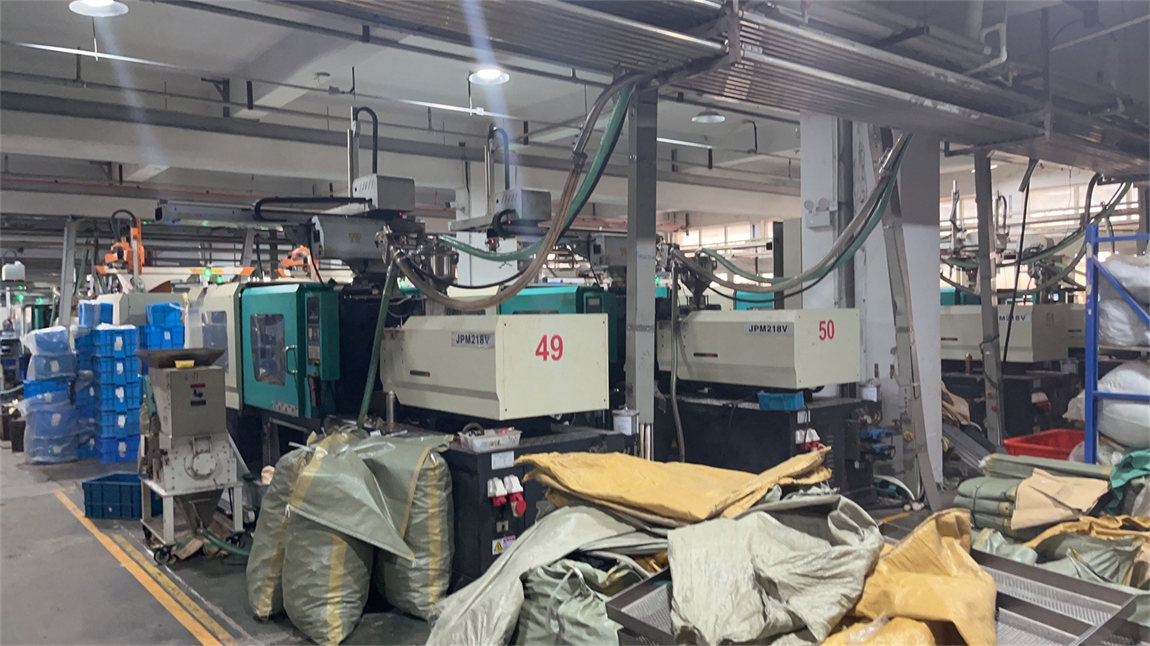
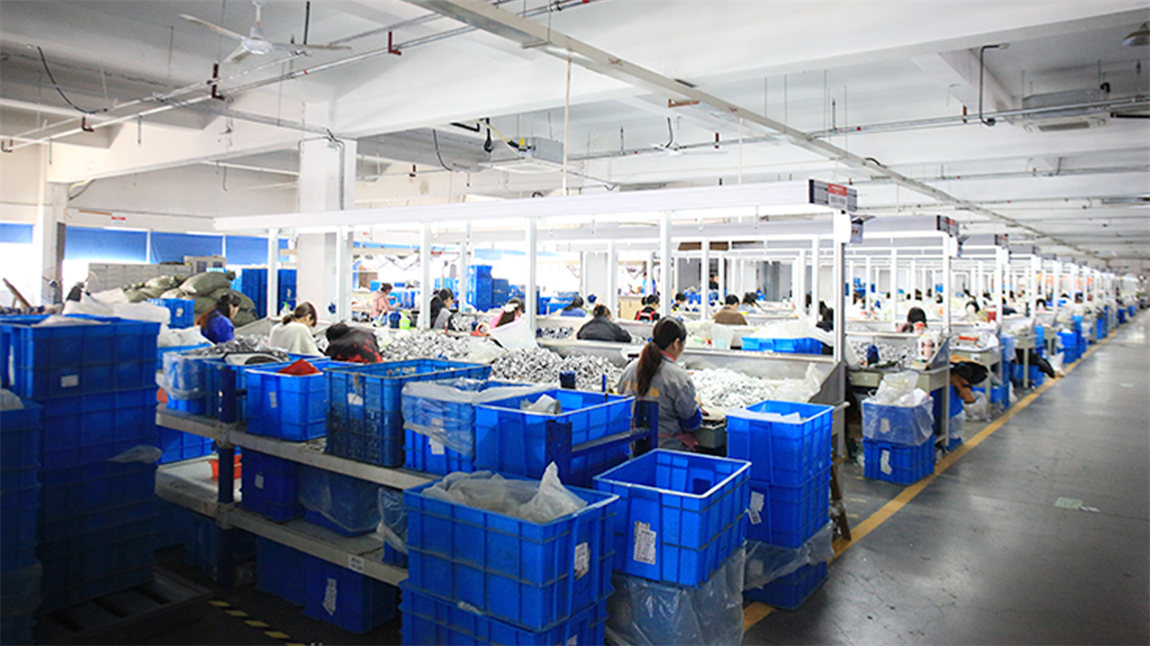
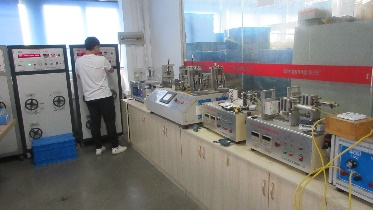
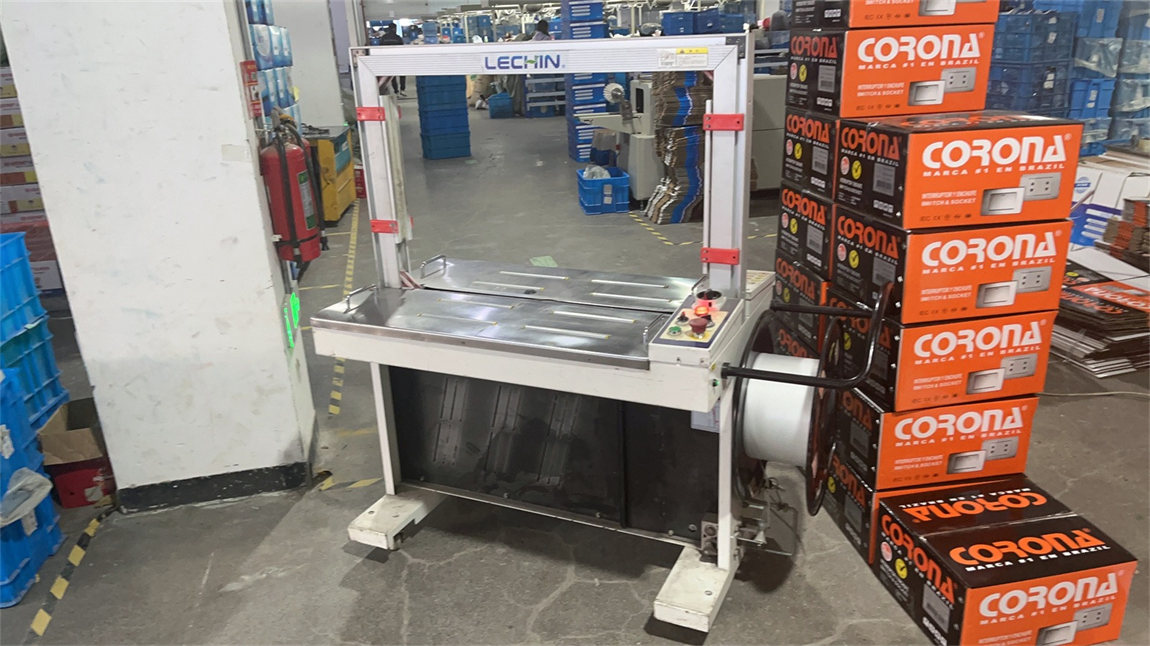
Industrial power track solutions must handle varying localized regulatory standards, line-voltage frequencies, and environmental conditions. When sourcing components like the UK Track Socket Wall Socket Office Desk Power Rail System IP44, engineering leads look for robust safety certifications.
Key global compliance frameworks include:
China remains the global epicenter for industrial power track components and complex electrical subsystems due to a combination of vertical integration and mature manufacturing hubs. In regions like Shenzhen and Dongguan, companies have direct access to raw materials, copper extrusion plants, high-precision tooling workshops, and testing centers within a 50-kilometer radius.
From initial raw plastic injection molding to high-speed CNC metal machining, keeping all manufacturing steps under one roof eliminates multi-tier logistics overheads and ensures stable lead times.
Power tracks require high-purity, oxygen-free copper conductors. Local refiners provide aerospace-grade aluminum extrusions and high-conductivity copper alleys with precise geometry tolerances.
Leveraging local toolmakers and CNC centers allows companies to refine custom profiles, track channels, and bracket options within days rather than weeks, accelerating time-to-market.
For enterprise procurement officers, electrical contractors, and OEM designers, choosing the right manufacturer goes beyond comparing unit prices. Modern supply chains prioritize structural reliability, operational track record, and long-term risk mitigation.
Modern power systems are highly context-dependent. A power solution optimized for a data center or office desk will differ significantly from one meant for heavy machinery or medical environments.
Explore our complete catalog of industrial-grade sockets, aluminum extrusion profiles, smart IoT modules, and automated power units.
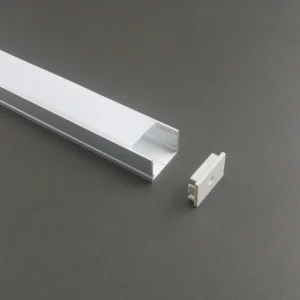
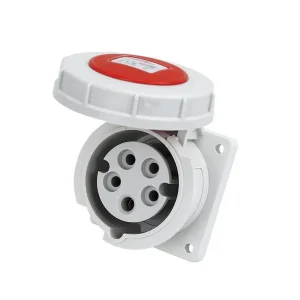

The electrical engineering sector is moving rapidly toward intelligent automation and higher efficiency. Three key trends define the next generation of power distribution systems:
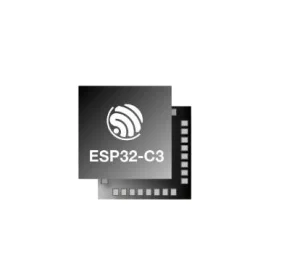
Digitalization and IoT Integration: Integrating Wi-Fi and Bluetooth modules, such as the High-Performance Esp32-C3 Transceiver Module, directly into sockets allows users to monitor energy consumption, control loads remotely, and implement automated scheduling. This helps prevent energy waste in large commercial buildings.
Modular & Scalable Upgrades: Modern facilities avoid hard-wired wall installations. They rely on modular power tracks and flexible busway systems, allowing maintenance crews to swap, upgrade, or reposition outlets in minutes without halting operations.
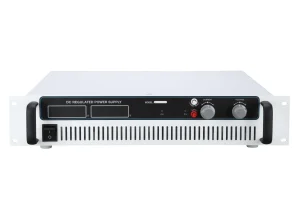
Industrial Automation & Standardized Protocols: Systems like the Programmable DC Power Supply with SCPI Protocol enable factory automation setups to control testing processes remotely. Standardized command sets streamline production-line testing and improve assembly line throughput.
 Ranko Power