Choosing the right power track can change how a room works, looks, and adapts over time. Surface systems sit visibly on the ceiling or wall, while recessed tracks create a cleaner, built-in appearance. The difference is more than visual. Installation depth, ceiling structure, wiring access, heat management, and future maintenance all affect the final result.
This guide explains how to choose between surface and recessed power tracks using practical installation considerations. In real projects, surface tracks often suit renovations, retail displays, and concrete ceilings where cutting is difficult. Recessed tracks may work better in new builds, offices, galleries, and minimalist interiors with enough ceiling space. A qualified electrician should confirm circuit capacity, grounding, mounting strength, and compliance with local electrical requirements. Small details matter. A narrow ceiling void can change everything.
There is no universal winner. I have seen attractive recessed designs become expensive problems when maintenance access was overlooked. I have also seen surface tracks look perfectly professional when aligned carefully with lighting layouts. That is an important limitation: product photos rarely show installation constraints, dust, uneven surfaces, or future repairs. The following seven tips compare appearance, installation effort, safety, flexibility, cost, compatibility, and long-term serviceability. Use them as a decision framework, not a rigid formula. Measure twice. Plan for change.
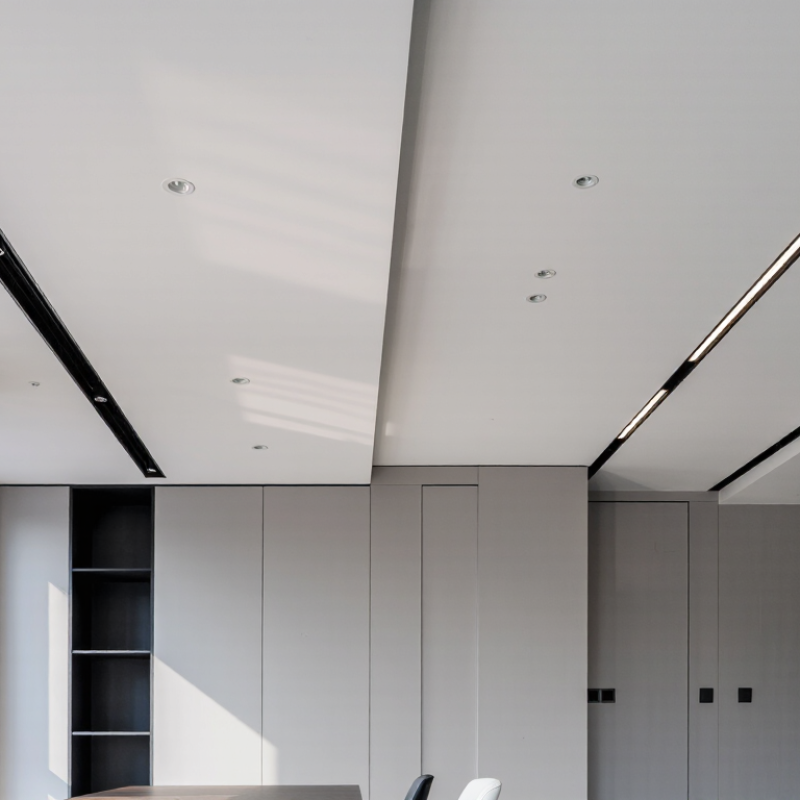
Understanding Surface and Recessed Power Track Systems
Choosing between surface and recessed power tracks starts with the ceiling or wall structure. Surface systems sit visibly below the finish, making installation faster and later access easier. Recessed systems disappear into a prepared channel, creating a cleaner architectural line. That neat appearance has a cost. It requires accurate cutting, enough cavity depth, and careful repair planning. Measure twice. I still do.
Check seven practical details before ordering. Confirm track length, outlet spacing, circuit load, grounding method, and compatible accessories. Inspect the substrate: concrete, timber, and plasterboard need different fixing methods. Ask a qualified electrician to verify the circuit and local requirements. Do not judge capacity by appearance. A slim track may still carry substantial loads, while a long track can expose weak connections. Leave service access where maintenance matters, especially above cabinets or workbenches.
Surface tracks suit rentals, renovations, and rooms with uncertain wiring paths. Recessed tracks work well in new interiors with coordinated ceiling plans. Think about dust, heat, moisture, and daily handling. In a kitchen, cleanability may matter more than a perfectly hidden profile. In a study, low glare and reachable outlets may matter more. I have seen recessed installations look excellent until a damaged section became difficult to reach. Choose the system that supports future repairs, not only today’s photograph. Check the installation manual and final load calculation before energizing the circuit.
Comparing Installation Requirements and Ceiling or Wall Conditions
Choosing between surface and recessed power tracks starts with the ceiling or wall, not appearance. A finished concrete ceiling usually favors surface mounting because the installer avoids cutting, patching, and hidden obstructions. Surface tracks also suit exposed services, shallow ceilings, and retail walls needing future repositioning. Recessed tracks require a continuous cavity, adequate depth, and accurate framing. Ducts, sprinkler pipes, insulation, and fire-rated assemblies can quickly change the plan. Measure twice.
The U.S. Energy Information Administration reported that lighting represented about 17% of commercial building electricity use in its 2018 CBECS data. Installation quality therefore affects more than visual comfort. Recessed systems need secure supports, clearances, and service access. On plasterboard ceilings, weak framing may require additional backing. On masonry walls, surface mounting may reduce structural disturbance, but cable routes still need protection. IEC 60570 covers electrical requirements for track systems, while local wiring rules control final installation. A licensed electrician should verify circuit loading, grounding, junction-box access, and emergency clearances.
Surface mounting is often the practical choice for renovation projects. It exposes the track, though, and may collect dust in industrial spaces. Recessed mounting looks cleaner, but repairs can become slower and messier. That trade-off is easy to underestimate. A ceiling survey, marked-up reflected ceiling plan, and small test section can prevent expensive rework. I would not choose recessed tracks solely for a minimal visual line. The building condition decides.
7 Tips: How to Choose Between Surface and Recessed Power Tracks? Comparing Installation Requirements and Ceiling or Wall Conditions
| Tip |
Decision Factor |
Surface-Mounted Power Track |
Recessed Power Track |
Best Fit |
| 1 |
Existing Ceiling or Wall Condition |
More forgiving
Can be installed directly onto suitable finished ceilings or walls, provided the surface is sound, reasonably flat, and capable of holding the fixing hardware.
|
Requires preparation
Needs a continuous channel or opening in the ceiling or wall. The substrate must allow cutting, framing, or the use of a compatible recessed mounting profile.
|
Renovation: Surface
New build: Either |
| 2 |
Installation Work |
Typically involves marking the layout, drilling or fixing the mounting points, installing the track, and completing the electrical connections.
|
Usually involves opening the surface, checking dimensions, providing support, fitting the track flush, repairing surrounding finishes, and completing the electrical connections.
|
Fast installation: Surface |
| 3 |
Available Ceiling or Wall Depth |
Requires little or no concealed cavity depth because the track remains visible on the surface.
|
Requires enough depth for the track body, mounting components, wiring, and any required support. The exact depth depends on the selected product and construction system.
|
Limited depth: Surface |
| 4 |
Structural and Service Coordination |
Easier to route around joists, beams, pipes, and existing cables because the track position can often be adjusted without creating a large opening.
|
Requires careful coordination with structural members, concealed cables, plumbing, ductwork, insulation, and fire-rated assemblies before cutting.
|
Complex existing services: Surface |
| 5 |
Visual Appearance |
Remains visible and can create a deliberate architectural or technical feature. The installation may show a small gap or mounting detail depending on the design.
|
Sits flush or nearly flush with the finished surface, producing a cleaner and less prominent appearance when the opening and finishing work are accurate.
|
Minimal visual impact: Recessed |
| 6 |
Maintenance and Future Changes |
Generally easier to inspect, remove, reposition, or replace because the track and fixing points remain accessible.
|
Maintenance can require access through the finished surface or the removal of surrounding trim, especially when the wiring or support is concealed.
|
Flexible layouts: Surface |
| 7 |
Project Budget and Schedule |
Usually has lower installation complexity and fewer finishing steps, which can reduce labor time in retrofit projects.
|
May involve additional carpentry, plasterboard, masonry, painting, or ceiling-finishing work. The overall cost depends on substrate type, access, wiring, and required repairs.
|
Short schedule: Surface
Premium finish: Recessed |
Evaluating Flexibility, Appearance, and Available Track Configurations
Choosing between surface and recessed power tracks starts with the room’s actual demands, not a catalog image. Surface tracks mount directly onto ceilings or walls, making layout changes easier during renovations. They suit exposed concrete, rented spaces, and projects needing visible access. Recessed tracks sit flush with the finish, creating a quieter architectural line. They look refined. Yet installation requires accurate cutting, enough ceiling depth, and careful coordination with other services.
Study flexibility before appearance. Check straight, L-shaped, T-shaped, and crossing configurations, then map each outlet position on the plan. A modular system can support movable power points, lighting, or partitions as needs change. Confirm load ratings, spacing, grounding, and local installation requirements with a qualified professional. Small errors matter. Surface options are easier to inspect and replace, while recessed systems hide cables better but complicate repairs. I once favored a flush finish too quickly; later access became unnecessarily difficult. That experience changed my checklist. Consider dust, furniture movement, cleaning tools, and future equipment. Use samples under real lighting, because shadows can make a slim track appear bulky. Also measure adjoining doors, cabinets, and ceiling edges. The best choice balances visual calm with practical reach, safe maintenance, and realistic configuration options.
Surface vs. Recessed Power Tracks: Flexibility, Appearance, and Configuration
How to read the chart: Scores use a practical 1–5 scale, where 5 indicates a stronger advantage. Surface tracks score higher for installation accessibility and typically require less ceiling alteration, while recessed tracks provide better visual integration. Both systems can support flexible layouts when compatible connectors and track configurations are available.
Assessing Electrical Capacity, Safety Standards, and Maintenance Needs
Start with the load. List every fixture, driver, and future expansion before choosing a track. A 2023 NFPA analysis of 2016–2020 data estimated 35,150 home fires annually involved electrical distribution or lighting equipment. Capacity deserves more attention than appearance. Confirm circuit voltage, continuous load, breaker rating, conductor size, and voltage drop. Recessed tracks may require deeper wiring space. Surface tracks often simplify access, but exposed fittings need careful protection.
Check the installation against NFPA 70 and IEC 60570, plus local electrical requirements. Verify grounding, insulation, mechanical support, and temperature limits. Never assume a lower wattage means lower risk. Poor connections can create heat inside a ceiling or junction box. Use a qualified electrician for testing. It is a small cost compared with opening a finished ceiling later.
Maintenance should influence the decision. Surface systems usually allow faster inspection, cleaning, and component replacement. Recessed systems provide a cleaner finish, yet concealed faults may take longer to locate. Keep spare connectors, record circuit loads, and schedule visual checks for discoloration, looseness, or flickering. There is no perfect choice. A neat recessed installation can still be a maintenance mistake. I would recheck accessibility before approving the final layout.
Conclusion
Learning how to choose between surface and recessed power tracks starts with understanding how each system fits your space. Surface-mounted tracks are installed directly onto ceilings or walls, making them suitable for finished surfaces and simpler renovations. Recessed tracks are set into the ceiling or wall for a cleaner, integrated appearance, but they usually require more planning, available depth, and professional preparation. Consider the condition of the installation area, the desired visual effect, track length, layout, and the flexibility needed for future changes.
You should also evaluate electrical capacity, grounding, protection features, and local safety requirements before making a decision. Think about how easily the system can be accessed for inspection, cleaning, component replacement, or expansion. Surface systems may offer easier maintenance and a lower installation cost, while recessed options can provide a more seamless look. By comparing installation conditions, configuration choices, safety needs, maintenance, and total budget, you can select a power track system that balances performance, appearance, and long-term practicality.

 Ranko Power